Home Blog Page 2

Climate Change Actions: Methane Regulation, Climate Litigation, Plastic Pollution, and Blue Carbon

0

The world is witnessing a surge in climate change actions, with various initiatives and developments taking center stage. Governments, corporations, and individuals are being held accountable for their role in exacerbating climate change. This article explores four critical areas: methane regulation, climate litigation, plastic pollution, and blue carbon.

Methane Regulation: A Key Step Forward
The European Union has implemented a regulation requiring importers of oil and gas to monitor and report methane emissions associated with these imports. In the United States, the Environmental Protection Agency (EPA) has finalized rules regulating methane emissions from the oil and gas industry, covering both existing and new sources. These regulations aim to cut methane emissions by up to 80% over the next 14 years.

Climate Litigation: A Growing Trend
Climate litigation is on the rise, with over 2,180 climate-related cases filed in 65 jurisdictions. Notable cases include Texas v. EPA and Delaware Climate Change Litigation. The implications of climate litigation are far-reaching, with potential consequences for governments and corporations.

Plastic Pollution: A Significant Contributor to Climate Change
Plastic pollution has emerged as a significant contributor to climate change, with far-reaching consequences for the environment, human health, and the economy. The production, disposal, and degradation of plastics release greenhouse gases, such as methane and ethylene, which exacerbate global warming.

The Plastic Lifecycle: A Climate Perspective
The plastic lifecycle, from extraction to waste management, is a complex process that affects the climate in various ways. The stages include:

  • Extraction and Production: The extraction of fossil fuels for plastic production contributes to greenhouse gas emissions.
  • Use and Disposal: The disposal of plastics, particularly through incineration and landfilling, leads to emissions and environmental pollution.
  • Degradation: Plastics breaking down in the environment release methane and ethylene, contributing to climate change.

Solutions to Mitigate Plastic Pollution’s Impact on Climate Change
To address the plastic pollution crisis and its impact on climate change, several solutions can be implemented:

  • Circular Economy: Adopting a circular economy approach can reduce plastic waste and emissions.
  • Extended Producer Responsibility: Implementing extended producer responsibility policies can encourage companies to take ownership of their plastic waste and design more sustainable products.
  • Reducing Plastic Production: Limiting plastic production and promoting alternative materials can also help mitigate the impact of plastic pollution on climate change.

Blue Carbon: A Valuable Resource in Climate Mitigation
Blue carbon refers to the carbon sequestration potential of coastal ecosystems, such as mangroves, seagrasses, and tidal marshes. These ecosystems play a crucial role in mitigating climate change by absorbing carbon dioxide from the atmosphere.

Conservation Efforts for Blue Carbon Ecosystems
To preserve the carbon sequestration potential of blue carbon ecosystems, conservation efforts are essential:

  • Protected Areas: Establishing protected areas can help safeguard these ecosystems from human impacts.
  • Sustainable Management: Implementing sustainable management practices can ensure the long-term health and resilience of blue carbon ecosystems.
  • Restoration: Restoring degraded ecosystems can help recover their carbon sequestration potential.
  • ⁠countries, states, governments and organizations need to see the sustainability implementation as an opportunity to develop its entire economy focused on their areas of needs and strengths . Currently the perceptions around sustainability implementation needs to be addressed and corrected and why the need for continuous advocacy across all strata and demographics must be taken seriously.
  • ⁠Once more the climate change implementation offers one of the greatest investments opportunities of our life time as there is need for the deployment and creation of new solutions, services and products that offers countries the opportunity to create wealth and position themselves in the carbon economy.

Conclusion
Methane regulation, climate litigation, plastic pollution, and blue carbon are critical components of the global effort to combat climate change. By understanding the implications of these developments and implementing solutions like circular economy approaches, and reducing plastic production, we can work towards mitigating these issues and creating a more sustainable future.

The Innovation Paradox: Why Africa’s Climate Solutions Must Reject Western Development Models

The World Bank delegation had come to Kigali with another infrastructure proposal. Their presentation featured familiar elements: centralized power generation, extensive transmission networks, and financing structures that required decades of debt service. The Rwandan officials listened carefully, asked technical questions, and then surprised their visitors by declining the offer. Instead, they outlined a different vision: distributed solar systems, community-owned microgrids, and financing models that built local capacity rather than external dependence. The delegation left confused. Why would a developing country reject proven solutions that had powered industrialization across the developed world?

This scene captures a fundamental paradox facing African nations as they confront climate change. The development models that created prosperity in Western countries also created the environmental crises that now threaten planetary stability. Yet international development institutions continue promoting these same models, slightly modified with green technology, as solutions for African development challenges. This approach is not just environmentally problematic but strategically counterproductive. It locks African countries into development pathways that are increasingly obsolete while preventing them from developing the innovative approaches that could provide competitive advantages in a climate-constrained world.

The Template Trap

Western development models emerged during periods of resource abundance and environmental ignorance. They optimized for rapid industrialization without considering ecological limits or long-term sustainability. These models assumed that environmental problems could be addressed after achieving sufficient wealth and technological sophistication. This assumption proved wrong even for the countries that originated these models, which now struggle with legacy infrastructure and consumption patterns that are difficult to modify.

Yet development institutions continue promoting modified versions of these models for African countries. They advocate for coal power with carbon capture, highway systems designed for private vehicles, and industrial agriculture that requires intensive chemical inputs. These approaches promise to deliver development outcomes that Western countries achieved while avoiding the worst environmental consequences. But they ignore the fundamental problems with trying to adapt industrial models for post-industrial challenges.

The template trap is particularly insidious because it appears prudent and realistic. Why would African countries experiment with unproven approaches when Western models have demonstrated success? This logic ignores crucial differences in context, timing, and available technology that make Western models increasingly inappropriate for contemporary development challenges.

First, African countries face development challenges in a world where environmental constraints are already binding. They cannot repeat the pattern of industrializing first and addressing environmental problems later because there is no time for sequential approaches. Climate change requires immediate action, which means development strategies must be environmentally sound from the beginning.

Second, African countries have access to technologies that did not exist during Western industrialization. Solar photovoltaics, battery storage, digital communication networks, and biotechnology applications provide opportunities for leapfrogging that were not available to earlier developers. Using these technologies within Western development frameworks wastes their transformative potential.

Third, African countries operate in global economic systems that are increasingly shaped by environmental considerations. Trade agreements include carbon border adjustments, supply chain regulations require environmental compliance, and investment flows favor climate-compatible projects. Pursuing development models that ignore these trends ensures marginalization rather than integration.

The Infrastructure Revolution

Nowhere is the innovation paradox more visible than in infrastructure development. Western infrastructure models assume centralized systems that achieve efficiency through scale and standardization. Electrical grids distribute power from large generating stations. Transportation networks funnel traffic through major arteries. Water systems pump resources from distant sources to urban centers.

These models made sense when they were developed but create vulnerabilities in contemporary contexts. Centralized systems require enormous capital investments that create debt burdens lasting decades. They depend on stable institutional capacity that may not exist in rapidly changing political and economic environments. They assume demand patterns that may not materialize in economies that are simultaneously developing and adapting to climate constraints.

African countries have opportunities to develop infrastructure models that avoid these vulnerabilities while providing superior service delivery. Distributed energy systems can provide more reliable electricity at lower cost than centralized grids in contexts where transmission infrastructure is expensive and difficult to maintain. Digital communication networks can substitute for physical transportation in ways that reduce costs while improving connectivity. Localized water treatment systems can provide better service with less environmental impact than centralized systems that require extensive distribution networks.

These opportunities require rejecting the assumption that Western infrastructure models represent the pinnacle of development achievement. They require recognizing that what appears to be advanced technology may actually be legacy systems that lock in suboptimal performance. Most importantly, they require confidence that African innovations can surpass Western achievements rather than merely replicate them.

The Knowledge System Challenge

Western development models embed particular assumptions about knowledge production and technology transfer that are incompatible with the innovation requirements of climate solutions. These models assume that advanced knowledge is produced in developed countries and transferred to developing countries through education, consulting, and technology licensing. This assumption creates dependence relationships that prevent the development of indigenous innovation capacity.

Climate solutions require different knowledge systems that integrate traditional ecological knowledge with contemporary scientific understanding. African farmers have developed sophisticated understanding of local climate variability, soil management techniques, and crop rotation systems over centuries. This knowledge provides the foundation for climate-resilient agriculture that cannot be replicated through technology transfer from different ecological contexts.

Similarly, African communities have developed governance systems for managing common resources that provide models for contemporary environmental challenges. Traditional fishing communities, pastoralist societies, and forest management systems demonstrate approaches to sustainable resource use that are more sophisticated than many contemporary environmental policies.

Integrating this knowledge with modern technology requires research and development systems that are embedded in African contexts rather than imported from Western institutions. It requires recognizing that climate solutions will emerge from the interaction between traditional knowledge and contemporary technology rather than from the replacement of traditional knowledge by modern technology.

The Finance Paradigm Shift

Western development models assume financing structures that may be fundamentally incompatible with climate solutions. Traditional infrastructure finance involves large-scale debt financing that requires decades of stable revenue generation. This approach made sense for infrastructure that provided consistent services over long periods but creates problems for climate solutions that must adapt to rapidly changing environmental and technological conditions.

Climate solutions require financing approaches that can accommodate uncertainty, support experimentation, and distribute risks across diverse portfolios. They require payment structures that align with variable environmental conditions rather than fixed debt service requirements. Most importantly, they require financing that builds local financial capacity rather than creating external dependence.

African countries have opportunities to develop innovative financing approaches that address these requirements while providing models for global climate finance. Payment-as-you-go solar systems demonstrate how technology can enable financing models that were previously impossible. Community-based natural resource management programs show how local ownership can generate sustainable revenue streams while protecting environmental assets.

These innovations require rejecting assumptions about appropriate financing that are embedded in Western development models. They require recognizing that financial innovation is as important as technological innovation for climate solutions. They require understanding that financial dependency undermines the long-term viability of climate solutions regardless of their technical sophistication.

The Competitive Advantage Opportunity

The most compelling argument for rejecting Western development models is not environmental necessity but competitive advantage. Countries that develop climate-compatible infrastructure, knowledge systems, and financing models will be better positioned to succeed in a climate-constrained world than countries that pursue outdated development approaches.

This advantage operates at multiple levels. At the technological level, countries that develop expertise in climate solutions will be able to export these technologies to markets that are increasingly demanding them. At the economic level, countries with climate-resilient infrastructure will be more attractive to investors and trading partners. At the institutional level, countries that develop governance systems for environmental challenges will be better able to adapt to environmental changes.

The competitive advantage opportunity is already visible in renewable energy markets where African countries are attracting investment and developing expertise that positions them as leaders in global energy transitions. Countries like Morocco and Kenya have become reference cases for renewable energy development that other countries seek to emulate. This positioning provides political influence and economic opportunities that would not exist if these countries had pursued conventional energy development strategies.

The opportunity extends beyond energy to agriculture, manufacturing, finance, and governance systems. African countries that develop innovative approaches to climate challenges in these sectors will create competitive advantages that compound over time. They will attract talent, investment, and partnership opportunities that are increasingly scarce for countries pursuing conventional development approaches.

Systems Integration and Complexity

Climate solutions require systems thinking that integrates environmental, social, and economic considerations in ways that Western development models typically separate. This integration is not just about avoiding conflicts between different objectives but about finding synergies that make comprehensive solutions more effective than partial approaches.

African countries have cultural and institutional foundations for systems thinking that provide advantages for developing integrated climate solutions. Traditional governance systems routinely consider multiple generations and diverse stakeholder perspectives in decision-making processes. Community-based resource management systems integrate ecological, social, and economic considerations as a matter of course. Extended family networks provide social safety nets that can support economic transitions.

These systems provide foundations for climate solutions that are more robust than approaches that treat environmental, social, and economic issues separately. They provide models for governance approaches that can manage the complexity and uncertainty that characterize climate challenges. Most importantly, they demonstrate that sophisticated solutions can emerge from traditional knowledge systems rather than requiring wholesale adoption of Western institutional models.

The Innovation Imperative

The fundamental argument for rejecting Western development models is that climate change creates an innovation imperative that makes imitation strategies obsolete. Countries that attempt to replicate Western development pathways will always be behind the technological and institutional curve. Countries that develop original approaches to climate challenges have opportunities to lead global transitions rather than follow them.

This imperative is particularly strong for African countries because they face climate impacts that are more severe than those experienced by Western countries during their development periods. They cannot afford to repeat the mistakes that Western countries made and then corrected over decades. They must develop solutions that work immediately in challenging environmental conditions.

The innovation imperative does not mean rejecting all Western knowledge or technology. It means selectively incorporating Western innovations within development strategies that are designed for African contexts and global climate challenges. It means building on traditional knowledge systems while embracing contemporary technology. Most importantly, it means having confidence that African solutions can surpass Western achievements rather than merely catching up to them.

The Leadership Moment

African countries face a unique historical moment when they have opportunities to lead global responses to climate change rather than follow Western examples. This leadership opportunity exists because climate change creates challenges that Western countries have not successfully solved and advantages that African countries are uniquely positioned to exploit.

The leadership moment requires recognizing that climate change is not just another development challenge to be addressed through existing approaches but a fundamental shift that requires new development models. It requires confidence that African knowledge systems, institutional frameworks, and technological capabilities can generate solutions that surpass Western achievements. It requires commitment to innovation strategies that may be initially more difficult than imitation strategies but provide superior long-term outcomes.

Most importantly, the leadership moment requires understanding that the choice is not between African development and global environmental protection but between development models that serve both objectives and development models that serve neither. Climate change makes Western development models obsolete for Western countries as well as African countries. The question is whether African countries will lead the development of post-industrial models or remain locked in industrial models that are increasingly dysfunctional.

The stakes of this choice extend far beyond African development outcomes. The success or failure of global climate action will largely depend on the development choices that African countries make over the next decade. These countries represent the majority of future population growth, economic development, and resource consumption. Their approach to climate challenges will determine whether global climate goals are achievable.

African countries that embrace this leadership opportunity will not only contribute to global climate solutions but will position themselves as leaders in the post-industrial economy that is emerging from climate constraints. Those that cling to industrial development models will find themselves increasingly marginalized in a world that has moved beyond the assumptions that guided twentieth-century development strategies.


Toward 2030: Crafting an Integrated Sustainability Roadmap for Nigeria’s Policy Landscape

0

With less than five years remaining in the Decade of Action for the United Nations Sustainable Development Goals (UNSDGs), Nigeria faces a critical juncture. The country must transition from fragmented sustainability efforts to a coherent, integrated roadmap that aligns national development with global frameworks. This article proposes a strategic policy blueprint that outlines objectives, sectoral deliverables, and foundational enablers—positioning Nigeria to lead in emerging economies such as the blue, creative, and digital sectors, while building the workforce and leadership required to sustain a carbon economy. Special emphasis is placed on low-carbon fuels and clean energy solutions as drivers of energy security and inclusive growth.

  1. Introduction: The Imperative for Integration
    The UNSDGs represent a universal call to action to end poverty, protect the planet, and ensure prosperity for all. Nigeria, Africa’s largest economy and most populous nation, holds significant potential to influence regional and global sustainability outcomes. However, progress remains uneven across key indicators. To meet the 2030 targets, Nigeria must adopt an integrated roadmap that consolidates efforts across sectors, aligns with ESG (Environmental, Social, and Governance) criteria, and leverages emerging economic opportunities.
  2. Strategic Objectives
    The proposed roadmap is anchored on five strategic objectives:
    • Accelerate SDG Localization: Prioritize high-impact goals—SDG 7 (Affordable and Clean Energy), SDG 13 (Climate Action), SDG 8 (Decent Work), and SDG 9 (Industry, Innovation, and Infrastructure).
    • Institutionalize ESG Standards: Embed ESG compliance across public institutions and private enterprises to attract sustainable finance and improve governance.
    • Operationalize the Carbon Economy: Develop carbon markets, emissions tracking systems, and incentive structures for low-carbon technologies.
    • Advance Energy Security: Promote low-carbon fuels and clean energy solutions to reduce dependence on fossil fuels and enhance national energy resilience.
    • Empower Local Leadership and Workforce: Build capacity through targeted training programs, vocational education, and leadership development.
  3. Sectoral Deliverables
    An integrated roadmap must deliver measurable outcomes across Nigeria’s economic sectors:
    Sector Policy Deliverables
    Energy Expand decentralized solar mini-grids, incentivize CNG and LPG adoption, scale biofuels, and reform energy tariffs.
    Transport Electrify public transport, modernize aviation policy, invest in low-emission rail systems, and upgrade national railway infrastructure.
    Agriculture Promote climate-resilient crops, agroforestry, and regenerative land practices.
    Infrastructure Invest in resilient coastal infrastructure, green building codes, and smart urban planning.
    Finance Launch green bonds, ESG-aligned investment platforms, and carbon credit exchanges.
    Education Integrate sustainability into national curricula and technical training programs.
  4. Emerging Economies: Catalysts for Diversification
    To diversify Nigeria’s economy and future-proof growth, the roadmap must prioritize:
    • Blue Economy: Develop sustainable fisheries, marine logistics, and coastal tourism while enforcing marine conservation policies.
    • Creative Economy: Support cultural industries through ESG-compliant funding, intellectual property protection, and global market access.
    • Digital Economy: Leverage AI, blockchain, and data analytics to enhance transparency, service delivery, and innovation in sustainability.
  5. Foundational Enablers: Start-Up Areas for Immediate Action
    To initiate and sustain the roadmap, the following areas require urgent policy attention:
    • Leadership Development: Establish national sustainability leadership academies and fellowship programs.
    • Workforce Training: Launch sector-specific technical training in renewable energy, ESG auditing, carbon accounting, and railway engineering.
    • Public Engagement: Implement nationwide sustainability awareness campaigns and community-based initiatives.
    • Policy Harmonization: Align national development plans with international climate commitments and SDG targets.
  6. Anticipated Outcomes and Benefits
    The roadmap offers multidimensional benefits:
    Dimension Expected Outcomes
    Economic Job creation, increased FDI, and growth in green, digital, and transport sectors.
    Social Improved health, education, mobility, and equity outcomes.
    Governance Strengthened institutional capacity, transparency, and policy coherence.
    Global Standing Enhanced recognition as a strategic UN partner and sustainability innovator.
  7. Conclusion: Nigeria’s Strategic Opportunity
    The final stretch toward 2030 presents Nigeria with a strategic opportunity to redefine its development trajectory. By adopting an integrated sustainability roadmap—with a strong emphasis on clean energy, low-carbon fuels, and modern transport infrastructure—the country can bridge the gap between effort and recognition, unlock new economic frontiers, and assert its role as a global leader in sustainable development.
    Policymakers must act decisively—mobilizing resources, aligning institutions, and empowering communities—to ensure that Nigeria not only meets the UNSDGs but sets a precedent for inclusive, resilient, and equitable growth.

@The Plenary

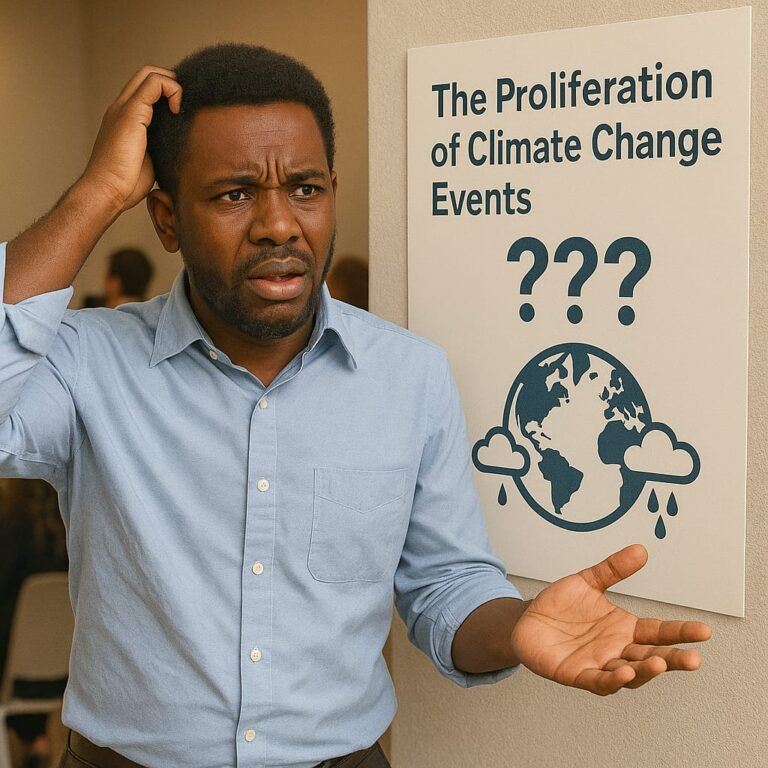
The Proliferation of Climate Change Events: A Distraction from Sustainability Implementation

0

The continent is witnessing a surge in workshops, conferences, symposiums, and exhibitions centered around climate change and sustainability. While these events are often convened with the intention of promoting discussion and awareness on critical environmental issues, the proliferation of such gatherings without coherent, tangible deliverables is a precursor to failure and a significant distraction from the implementation of sustainability goals.

Limitations of Uncoordinated Events

  1. Lack of Tangible Outcomes: The multiplicity of events without clear objectives or actionable outcomes leads to discussions that do not translate into meaningful implementation.
  2. Duplication and Inefficiency: Independent talk shops across sectors without a unified plan result in duplicated efforts, wasted resources, and minimal impact.
  3. Failure to Build Workforce Capacity: With the urgency of the last decade of implementation for the United Nations Sustainable Development Goals (UNSDGs), the focus should be on evaluating actions, developing workforce capabilities across sectors, and ensuring tangible progress rather than perpetuating cycles of discussion.

Importance of UNSDGs

The UNSDGs are a collection of 17 interlinked global goals designed to be a “blueprint to achieve a better and more sustainable future for all” by 2030. They address the global challenges we face, including those related to poverty, inequality, climate change, environmental degradation, peace, and justice. The goals are integrated and indivisible, balancing the three dimensions of sustainable development: the economic, social, and environmental.

Examples of Successful Implementations

Some countries have made significant strides in implementing sustainable development strategies. For instance:

  • Costa Rica’s Renewable Energy Push: Costa Rica has been a leader in renewable energy, aiming to be carbon-neutral by 2050.
  • Rural Development in Ethiopia: Ethiopia has implemented strategies to enhance food security and reduce poverty in rural areas through sustainable agricultural practices.

Challenges in Achieving Sustainability Goals

Despite the importance of the UNSDGs, countries in the continent face several challenges in achieving sustainability goals:

  • Limited Resources: Many countries struggle with limited financial, technological, and human resources to implement sustainable practices.
  • Lack of Awareness: Limited awareness and understanding of sustainability goals and their importance can hinder implementation.
  • Inadequate Policies: In some cases, policies may not be robust or effectively enforced to drive sustainable development.

Role of Collaboration and Partnerships

Collaboration between governments, private sectors, international organizations, and civil society is crucial for achieving sustainable development. Partnerships can:

  • Enhance Resource Mobilization: Collaboration can help mobilize resources, share knowledge, and build capacity.
  • Promote Coherence and Coordination: Partnerships can ensure efforts are coordinated and aligned with broader sustainability goals.

The Need to Halt Proliferation and Adopt a Workable Roadmap

Given the continent’s awakening to the failures of advocacy, education, incentivizing, and collaboration on sustainability implementation, it is imperative to:

  • Cease Uncoordinated Proliferation of Events: Without a coherent plan, these events cannot deliver tangible benefits, risking the loss of the greatest opportunity offered by the UNSDGs.
  • Adopt a Unified Roadmap: Countries should focus on developing and adhering to a workable roadmap that emphasizes implementation, evaluation of actions, and workforce development across multiple sectors.
  • Mandate Delivery of Sustainable Development: There is a pressing need to align efforts with the mandate to deliver sustainable development, focusing on energy security, reducing economic carbon footprint (decarbonization), attracting global investments, and ensuring impacts align with all other SDGs.

Focus on Deliverables and Workforce Development

In the last 5 years of this critical implementation phase, priorities should include:

  • Evaluating Implemented Actions: Assessing the effectiveness of programs, projects, and products related to sustainability.
  • Developing Workforce Capabilities: Building capacity across all sectors of the economy to drive sustainable development.
  • Ensuring Coherence and Tangibility: Aligning efforts to achieve UNSDG goals, emphasizing energy security, economic decarbonization, leveraging global investments, and ensuring positive impacts across all SDGs.

Conclusion

The current trajectory of uncoordinated climate change activities risks undermining the essence and purpose of the UNSDGs. To avoid losing out on the opportunities presented by sustainable development, countries must adopt a coherent, actionable roadmap. This roadmap should prioritize tangible deliverables, workforce development, and alignment with broader sustainability goals. By focusing on implementation and measurable outcomes, the continent can better navigate the challenges of sustainability, energy security, and economic decarbonization in pursuit of the UNSDGs.

@The Plenary

The Cry for ESG Funding: Why Nigeria’s Sustainability Efforts Deserve Global Investment

0

Environmental, Social, and Governance (ESG) funding has become a global benchmark for sustainable development. Yet, paradoxically, many countries making significant strides in sustainability—like Nigeria—remain on the margins of ESG investment flows. Despite bold initiatives in clean energy, infrastructure, and climate policy, Nigeria’s projects often go unrecognized, underfunded, or misclassified, leaving a critical gap between effort and reward.
This article explores why ESG funding often bypasses countries like Nigeria, highlights key sustainability projects, and proposes actionable solutions to bridge the investment gap.
⚡ Nigeria’s Sustainability Landscape: A Case Study in Progress
Nigeria has made notable investments across multiple sectors that align with ESG goals, including:

  1. CNG Conversions
    • The push for Compressed Natural Gas (CNG) as an alternative to petrol and diesel is a major step toward decarbonizing transport.
    • Reduces greenhouse gas (GHG) emissions and air pollution.
    • Supports energy diversification and affordability.
  2. Solar Mini-Grid Deployments
    • Hundreds of solar mini-grids have been deployed in rural communities, improving energy access and reducing reliance on diesel generators.
    • These projects directly impact SDGs related to clean energy, poverty reduction, and climate action.
    • However, many are not mapped to ESG targets, making them invisible to global investors.
  3. Lagos-Calabar Coastal Highway
    • One of the largest budgetary investments in Nigeria’s history.
    • Designed to reduce GHG emissions by improving road transport efficiency.
    • Supports the newly launched Blue Economy, enhancing marine biodiversity, coastal resilience, and economic development.
    • Creates jobs, reduces poverty, and strengthens climate adaptation.
  4. Aviation Policy: Nigeria–Trinidad & Tobago Air Agreement
    • A landmark Bilateral Air Services Agreement (BASA) signed in April 2025.
    • Cuts travel time from Africa to the Caribbean from 26 hours to 9 hours.
    • Reduces aviation-related carbon emissions and opens new trade and tourism corridors.
    • Yet, this strategic sustainability move is not framed as an ESG milestone.
    🚧 Why ESG Funding Misses the Mark
    Despite these efforts, Nigeria faces several barriers to ESG investment:
    ❌ Lack of Project Mapping
    • Many sustainability projects are not aligned with ESG frameworks or SDG indicators.
    • Without proper classification, they fail to attract ESG-focused investors.
    ❌ Weak Institutional Capacity
    • Limited expertise in ESG reporting, carbon accounting, and impact measurement.
    • Inadequate data systems to track and verify sustainability outcomes.
    ❌ Global Perception Bias
    • Investors often favor countries with established ESG ecosystems and regulatory transparency.
    • Nigeria’s progress is overshadowed by outdated narratives of instability and corruption.
    ❌ Fragmented Leadership
    • Sustainability efforts are siloed across ministries and agencies.
    • Lack of coordinated national strategy to position Nigeria as an ESG investment destination.
    💡 Solutions: Bridging the ESG Investment Gap
    To unlock ESG funding, Nigeria must take bold steps to reposition itself:
    ✅ 1. Establish a National ESG Taskforce
    • Create a multi-sectoral team to identify, classify, and promote ESG-aligned projects.
    • Include experts in climate finance, carbon markets, and sustainability reporting.
    ✅ 2. Develop a Carbon Economy Blueprint
    • Map out Nigeria’s carbon reduction potential across sectors.
    • Quantify carbon credits from aviation, transport, energy, and agriculture.
    • Engage platforms like the Africa Carbon Markets Initiative to monetize these credits.
    ✅ 3. Train and Build ESG Capacity
    • Partner with global institutions to train local teams in ESG compliance, MRV (Measurement, Reporting, Verification), and impact assessment.
    • Encourage universities to offer ESG and climate finance programs.
    ✅ 4. Create a National Sustainability Registry
    • Digitally map all sustainability projects and link them to SDGs and ESG metrics.
    • Make the registry accessible to investors, donors, and multilateral agencies.
    ✅ 5. Leverage Public-Private Partnerships
    • Use blended finance models to de-risk ESG investments.
    • Encourage local banks to issue green bonds and ESG-linked loans.
    ✅ 6. Reframe the Narrative
    • Launch a global campaign to showcase Nigeria’s sustainability achievements.
    • Use storytelling, data visualization, and impact reports to shift perception.
  1. 🌱 Conclusion: A Call to Action
    Nigeria is not waiting for permission to act—it is already building a sustainable future. From solar grids to coastal highways and aviation diplomacy, the country is laying the groundwork for a low-carbon, inclusive economy. But without proper framing, mapping, and global engagement, these efforts risk being overlooked.
    It’s time for Nigeria to claim its place in the ESG conversation—not as a passive recipient, but as a proactive leader. With the right strategy, training, and partnerships, Nigeria can transform its sustainability efforts into bankable ESG assets that attract global investment and drive long-term prosperity.

@The Plenary

The Psychology of Climate Inaction: Why Smart Organizations Fail at Sustainability Implementation

The boardroom discussion always follows the same pattern. Executives nod approvingly as consultants present compelling sustainability frameworks. Everyone agrees that climate action is essential. The business case is clear, the risks are documented, and the opportunities are quantified. Yet months later, the initiatives stall, budgets shrink, and the organization returns to familiar patterns. This is not a story of ignorance or malice. It is the predictable outcome of psychological forces that derail even the most well-intentioned sustainability efforts.

Understanding why smart organizations fail at climate implementation requires examining the hidden psychological barriers that operate beneath surface-level commitment. These barriers are not character flaws but systematic patterns of human cognition that evolution designed for different challenges than long-term planetary stewardship.

The Architecture of Avoidance

Human brains evolved to handle immediate, visible threats. A leopard in the bushes triggers instant mobilization. Rising sea levels and changing precipitation patterns do not. This temporal mismatch creates what psychologists call “psychological distance.” Climate change feels abstract, distant, and uncertain, even when its effects are already manifesting in supply chain disruptions and regulatory changes.

Organizations amplify this individual bias through collective defense mechanisms. The most sophisticated companies develop elaborate risk management frameworks that paradoxically serve to contain rather than address climate risks. By categorizing climate change as one risk among many, organizations create the illusion of control while avoiding the fundamental business model questions that effective climate action demands.

This containment strategy manifests in several predictable patterns. Companies establish sustainability departments that operate in isolation from core business functions. They commission reports that document risks without empowering anyone to act on them. They set ambitious long-term targets while maintaining short-term planning cycles that ignore these commitments. These behaviors are not cynical; they are psychological adaptations that allow organizations to acknowledge threats while avoiding the discomfort of addressing them.

The Certainty Trap

Ironically, organizations often demand more certainty about climate solutions than they require for traditional business investments. A manufacturing company might invest millions in market expansion based on consumer surveys and competitor analysis, accepting significant uncertainty about returns. Yet the same company delays renewable energy investments while waiting for “more data” about technology costs and performance.

This double standard reflects what behavioral economists call “ambiguity aversion.” Humans prefer known risks to unknown ones, even when the unknown risks offer better expected outcomes. Climate investments trigger this bias because they involve new technologies, evolving regulations, and changing social expectations. Traditional investments feel safer because they operate within familiar frameworks, even when objective analysis suggests climate investments offer superior risk-adjusted returns.

The certainty trap is particularly powerful because it disguises inaction as prudence. Organizations can appear thoughtful and responsible while indefinitely delaying action. This creates a feedback loop where delays generate more uncertainty, which justifies further delays.

Status Quo Bias and Organizational Inertia

Every organization has invisible currents that maintain existing practices. These currents, which psychologists term “status quo bias,” operate through multiple channels. Established suppliers resist changes that threaten their relationships. Employees worry that new initiatives will disrupt their expertise and career trajectories. Investors question why management is pursuing unfamiliar strategies instead of optimizing proven approaches.

Status quo bias is particularly strong for climate initiatives because they often require coordinated changes across multiple organizational systems. Switching to renewable energy might require new purchasing processes, different maintenance protocols, updated insurance policies, and revised financial reporting. Each individual change seems manageable, but the cumulative coordination costs feel overwhelming.

Organizations respond by seeking incremental approaches that minimize disruption. They pursue efficiency improvements that reduce costs without changing core operations. They adopt voluntary standards that signal commitment without requiring fundamental changes. These strategies provide psychological relief by creating the appearance of progress while preserving existing structures.

The tragedy is that incremental approaches often prove more expensive and disruptive than comprehensive changes. A company that gradually replaces conventional lighting over five years spends more and creates more organizational disruption than one that implements a systematic retrofit. But the gradual approach feels safer because it preserves the illusion of control and reversibility.

The Responsibility Diffusion Problem

Climate action suffers from a peculiar form of the “bystander effect.” When responsibility is shared among many actors, individual actors feel less obligation to act. At the organizational level, this manifests as endless discussions about who should take the lead on sustainability initiatives.

Operations teams argue that sustainability is a strategic issue for senior management. Strategy teams contend that implementation belongs with operations. Finance departments question why they should fund initiatives that other departments should prioritize. Marketing teams worry about making claims they cannot substantiate. Legal teams identify risks in any substantive commitment.

This diffusion is particularly problematic for climate initiatives because they typically require integration across organizational functions. Unlike traditional projects that can be assigned to specific departments, climate action demands coordination between strategy, operations, finance, and external relations. Without clear accountability structures, these initiatives become everyone’s responsibility and therefore no one’s priority.

The problem intensifies when organizations attempt to address responsibility diffusion through committees and cross-functional teams. These structures often amplify the problem by creating more stakeholders who must be consulted and convinced. What begins as an effort to ensure coordination becomes a mechanism for avoiding decision-making.

Cognitive Dissonance and Rationalization

Perhaps the most sophisticated psychological barrier to climate action is the human capacity for rationalization. Organizations that acknowledge climate risks while maintaining unsustainable practices experience what psychologists call “cognitive dissonance.” This psychological discomfort drives elaborate justification processes that preserve both environmental concern and existing behaviors.

These justifications take predictable forms. Companies emphasize the climate benefits of their least harmful products while downplaying their most problematic operations. They highlight efficiency improvements that reduce absolute emissions while expanding operations that increase total emissions. They commit to ambitious long-term targets while maintaining short-term strategies that make these targets impossible to achieve.

The most sophisticated rationalization involves appeals to economic responsibility. Organizations argue that their primary duty is to shareholders, customers, or employees, and that climate action must be subordinated to these obligations. This framing allows leaders to maintain their identity as responsible stewards while avoiding difficult choices about business models and growth strategies.

The Social Proof Paradox

Humans are fundamentally social creatures who look to others for cues about appropriate behavior. This tendency, which psychologists call “social proof,” creates a paradox for climate action. Organizations want to see evidence that climate initiatives are becoming standard practice before committing to them. But if every organization waits for others to move first, no one moves.

This dynamic is particularly strong in industries where competitive dynamics discourage differentiation. Airlines, for instance, worry that unilateral climate commitments will increase costs and reduce competitiveness. Each airline waits for industry-wide standards or regulatory requirements that level the playing field. The result is collective inaction despite individual acknowledgment of climate risks.

The social proof paradox is amplified by selective attention to peer behavior. Organizations notice when competitors announce climate commitments but pay less attention to implementation details. They observe press releases about net-zero targets but miss the fine print about carbon offsets and timeline adjustments. This creates the impression that others are making symbolic rather than substantive commitments, which reduces pressure for genuine action.

Overcoming the Implementation Trap

Understanding these psychological barriers is the first step toward overcoming them. Organizations that succeed at climate implementation typically address these barriers directly rather than assuming that good intentions and clear business cases are sufficient.

The most effective approach involves restructuring decision-making processes to counteract predictable biases. This might involve appointing climate champions with explicit authority and resources, rather than expecting voluntary coordination across departments. It could mean establishing implementation timelines that prevent indefinite delays while maintaining flexibility about specific approaches. It often requires linking climate metrics to compensation and performance evaluations, making the abstract consequences of inaction concrete and immediate.

Successful organizations also address the social proof paradox by creating peer networks that share implementation experiences rather than just commitments. These networks allow organizations to learn from others’ mistakes and successes without waiting for perfect solutions to emerge. They transform climate action from a lonely first-mover disadvantage into a collaborative learning process.

Perhaps most importantly, organizations must recognize that climate action requires different mental models than traditional business challenges. The familiar frameworks of risk management, cost-benefit analysis, and competitive positioning are necessary but insufficient. Climate challenges demand approaches borrowed from systems thinking, social movement organizing, and adaptive management.

The Transformation Imperative

The organizations that successfully navigate climate implementation share a common recognition: addressing climate change is not about adding new initiatives to existing operations but about transforming how business itself is conceived and practiced. This transformation is as much psychological as operational. It requires leaders to embrace uncertainty, accept responsibility, and commit to learning processes that may challenge fundamental assumptions about business success.

The psychological barriers to climate action are formidable but not insurmountable. They are predictable patterns that can be anticipated and addressed through thoughtful organizational design. The companies that master this challenge will not only contribute to climate solutions but will develop capabilities that provide competitive advantages in an increasingly volatile and resource-constrained world.

The question is not whether organizations will eventually address these psychological barriers. Climate change will force this reckoning regardless of organizational preferences. The question is whether they will address these barriers proactively, while they still have choices about how and when to adapt, or reactively, when external pressures leave fewer options for strategic response.

Understanding the psychology of climate inaction is therefore not just about avoiding predictable mistakes. It is about developing the organizational capabilities needed to thrive in a world where climate change is no longer a future risk but a present reality that shapes every aspect of business strategy and operations.

Biochar in Africa: Turning Waste into Soil, Carbon, and Income

Africa is rich in biomass. Each year, millions of tons of agricultural residues – corn stalks, rice husks, cocoa shells, and wood scraps – are left to decay or are burned, releasing carbon dioxide and smoke into the atmosphere. Yet within this biomass lies a transformative opportunity: biochar, a stable form of carbon that can enhance soil, sequester greenhouse gases, and generate new economic pathways for farmers, entrepreneurs, and communities across the continent.

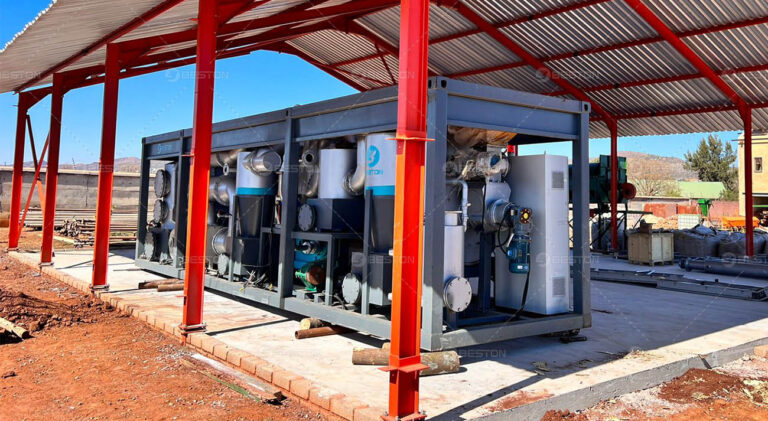
Biochar is produced through pyrolysis, a process of heating organic material in the absence of oxygen. The resulting charcoal-like substance can be applied to soil to improve fertility, retain water, and increase crop productivity. Beyond agriculture, biochar has applications in livestock feed, water filtration, and even industrial carbon offsets. In Africa, the convergence of agriculture, climate action, and entrepreneurship positions biochar as a strategic tool for sustainable development.

Why Biochar Matters for Africa

Africa faces three intersecting challenges: food security, climate change, and rural livelihoods. Biochar addresses all three simultaneously:

  • Soil Fertility: Many African soils are nutrient-depleted and highly vulnerable to erosion. Biochar improves soil structure, enhances nutrient retention, and fosters microbial activity, boosting crop yields without reliance on chemical fertilizers.
  • Climate Mitigation: Biochar is a form of carbon sequestration, locking carbon in a stable state for decades or centuries. Using agricultural residues to produce biochar prevents the carbon from returning to the atmosphere through decomposition or burning.
  • Economic Opportunity: Biochar production creates jobs in pyrolysis operations, carbon project management, and value-added products. Smallholder farmers can convert waste into a resource, while entrepreneurs can establish biochar supply chains for agriculture, carbon trading, and industrial applications.

The integration of biochar into African agriculture is not merely a technical innovation; it is a practical climate solution with direct benefits for livelihoods.

How Biochar Works

The effectiveness of biochar depends on feedstock selection, pyrolysis conditions, and application practices. Common feedstocks include crop residues (maize stalks, rice husks, cocoa shells), forestry waste, and even invasive plant species. The pyrolysis process converts the biomass into a stable carbon matrix, retaining essential minerals while reducing decomposition losses.

When applied to soil, biochar:

  • Increases water retention, reducing drought stress in crops.
  • Enhances nutrient availability, particularly nitrogen and phosphorus.
  • Improves soil microbial health, fostering natural nutrient cycling.
  • Reduces greenhouse gas emissions from soils, including methane and nitrous oxide.

The result is higher crop yields, healthier soils, and a measurable contribution to climate mitigation.

Case Studies in Africa

Several initiatives across Africa demonstrate the practical benefits of biochar:

  • Kenya: Smallholder farmers in western Kenya produce biochar from maize residues to enrich vegetable and maize fields. Trials show yield improvements of 20 to 40 percent while reducing the need for chemical fertilizers. Some farmers also sell biochar as a soil amendment to neighboring communities, creating supplementary income.
  • Ghana: Cocoa farmers in the Ashanti region convert cocoa pod husks into biochar. This not only improves soil fertility but also provides carbon credits through pilot programs, enabling farmers to access climate finance.
  • South Africa: Biochar startups are integrating production with livestock operations. Charcoal from crop residues is used as a feed supplement to reduce methane emissions from ruminants, combining climate mitigation with productivity gains.
  • Ethiopia: Rice husk biochar projects enhance soil fertility in paddy fields while generating carbon credits sold to international buyers. Communities earn income from both agricultural improvements and carbon market participation.

These examples illustrate that biochar is not a theoretical solution; it is practically scalable, economically viable, and ecologically restorative.

Economic and Entrepreneurial Opportunities

The biochar sector opens multiple pathways for income generation:

  • Production Enterprises: Pyrolysis units can range from small-scale, portable kilns to medium-scale industrial systems. Entrepreneurs can provide biochar as a service or sell bulk products.
  • Agricultural Integration: Farmers can produce biochar on-farm to improve yields, reduce input costs, and enhance food security.
  • Carbon Markets: Verified biochar projects can generate carbon credits, providing additional revenue for communities and businesses.
  • Value-Added Products: Biochar can be incorporated into fertilizers, animal feed supplements, water filters, or construction materials, expanding market opportunities.

By linking climate action to tangible income streams, biochar projects create a win-win scenario: improving livelihoods while reducing environmental impact.

Policy and Institutional Support

Scaling biochar requires supportive policy and institutional frameworks:

  • Agricultural and Climate Policy: Governments can integrate biochar into national climate strategies, soil restoration programs, and sustainable agriculture initiatives.
  • Financing Mechanisms: Access to concessional loans, grants, and impact investment is crucial for establishing pyrolysis facilities and community projects.
  • Standards and Certification: Ensuring quality and effectiveness of biochar supports market confidence and carbon credit verification.
  • Research and Extension Services: Universities, research centers, and extension officers play a key role in demonstrating best practices, technology transfer, and farmer training.

Countries such as Kenya, Ghana, and Ethiopia are already piloting supportive frameworks, but wider adoption across the continent will require coordinated action from government, private sector, and civil society.

Skills and Workforce Development

For Africa to realize the full potential of biochar, the workforce must be equipped with relevant skills:

  • Pyrolysis Operation: Safe and efficient handling of pyrolysis units, feedstock management, and energy recovery.
  • Soil Science and Agronomy: Understanding how biochar interacts with local soils, crops, and climate conditions.
  • Carbon Accounting: Measuring, reporting, and verifying carbon sequestration for climate finance projects.
  • Entrepreneurship: Developing business models, market strategies, and supply chains around biochar.
  • Policy and Advocacy: Engaging with local governments, NGOs, and industry associations to scale adoption.

Training platforms such as GreenReady Academy can provide modular, practical courses in these areas, preparing professionals to lead the biochar revolution.

Challenges and Opportunities

Despite its promise, biochar adoption faces obstacles:

  • Technical Knowledge Gaps: Many farmers and entrepreneurs lack access to training on effective production and application.
  • Capital Requirements: Small-scale pyrolysis units require upfront investment that may be a barrier without financing support.
  • Market Awareness: Limited understanding of biochar’s benefits can constrain demand.
  • Verification for Carbon Credits: Accurate measurement and certification are necessary to access climate finance.

Addressing these challenges requires integrated approaches, combining education, technology transfer, finance, and policy. Successful initiatives demonstrate that with coordinated effort, biochar can scale across diverse African contexts.

Conclusion: Turning Waste into Wealth

Biochar represents a unique convergence of climate action, agricultural productivity, and economic opportunity. By converting biomass waste into a valuable, stable carbon product, African farmers, entrepreneurs, and communities can enhance soil fertility, improve crop yields, generate income, and contribute to global climate goals.

This is not a future vision – it is happening now. With training, investment, and supportive policy, biochar can become a mainstream tool for sustainable development, linking rural livelihoods with climate finance and industrial innovation.

For Africa, biochar is more than a soil amendment. It is a pathway to resilient agriculture, green entrepreneurship, and climate-smart communities. Every ton of biochar produced, every hectare of enriched soil, and every carbon credit verified brings the continent closer to a future where waste becomes wealth, and climate solutions drive tangible social and economic benefits.

Discover biochar opportunities, technical guidance, and training resources at Greenskillhub.com.

The Carbon Economy and what you need to know

0

The carbon economy represents a transformative shift toward economic practices centered on reducing greenhouse gas emissions and fostering climate resilience. It encompasses a wide array of sectors, industries, and investment streams, all aligned with sustainable and low-carbon methodologies. At its core, this economy thrives on a circular and regenerative mindset, requiring producers, consumers, and policymakers to rethink end-to-end processes—from raw material extraction to consumption and disposal—with environmental integrity in mind.

Key Sectors of Focus

  1. Renewable Energy
    Renewable energy technologies are the cornerstone of decarbonization. Their rapid adoption is driven by falling costs, supportive policies, and technological innovation.
    • Solar Power: Photovoltaic (PV) panels and concentrated solar power (CSP) systems convert sunlight into electricity. Solar is scalable—from rooftop installations to utility-scale farms—and increasingly affordable due to mass production and efficiency gains.
    • Wind Energy: Onshore and offshore wind turbines harness kinetic energy from wind. Offshore wind, in particular, is gaining momentum due to stronger, more consistent wind patterns and larger turbine capacities.
    • Hydropower: The most established renewable source, hydropower uses flowing water to generate electricity. While large dams dominate, small and micro-hydro systems are vital for rural electrification.
    These technologies not only reduce emissions but also enhance energy security and create green jobs.
  2. Energy Efficiency
    Improving energy efficiency is often the fastest and most cost-effective way to cut emissions.
    • Building Retrofits: Upgrading insulation, lighting, HVAC systems, and controls in existing buildings can reduce energy use by up to 40%.
    • Industrial Optimization: Retrofitting factories with smart sensors, energy storage, and efficient motors improves productivity while lowering energy intensity.
    • Digital Solutions: Smart meters, AI-driven energy management, and predictive maintenance help optimize consumption and reduce waste.
    Efficiency measures also improve resilience, reduce operational costs, and extend asset lifespans.
  3. Sustainable Waste Management
    This sector is evolving from linear disposal to circular, regenerative systems.
    • Closed-Loop Systems: These systems ensure materials are reused, recycled, or composted, minimizing landfill use and resource extraction.
    • Industrial Symbiosis: Waste from one process becomes input for another—e.g., using food waste to produce biogas or compost.
    • Innovative Recycling: Chemical recycling, modular product design, and AI-powered sorting are making recycling more efficient and scalable.
    Such systems reduce pollution, conserve resources, and support circular economy principles.
  4. Green Finance
    Green finance mobilizes capital toward environmentally beneficial projects.
    • Green Bonds: Debt instruments earmarked for climate or environmental projects. They attract investors seeking both returns and impact.
    • Carbon Markets: Allow companies to trade emission allowances or offsets, creating financial incentives for emission reductions.
    • Sustainable Investment Platforms: These include green banks, ESG funds, and fintech solutions that channel private capital into clean energy, sustainable agriculture, and more11.
    Green finance is essential for scaling climate solutions and aligning financial systems with sustainability goals.

Stakeholders Driving Change
• Government Ministries and Agencies: Bodies such as ministries of energy, finance, and environment, alongside agencies like the EEA and WMO, formulate and enforce carbon-conscious policies using science-backed insights.
• Private Sector Leaders: Tech giants and clean-energy firms are redirecting investments toward renewables and carbon capture. Green finance institutions like the World Bank are de-risking climate investments globally.
• Education Sector: From grassroots awareness campaigns to specialized training programs, education equips society with the knowledge and skills needed for the low-carbon transition.
Emerging Solutions
• Carbon Capture and Storage (CCS): A game-changing technology for hard-to-abate sectors.
• Nature-Based Solutions: Strategies like reforestation enhance biodiversity, provide livelihoods, and offer measurable climate returns.
• Innovative Financing: Green bonds and climate-smart investment tools are democratizing access to climate finance and accelerating impact.
Demographic Engagement and Equity
• Youth: Act as changemakers, leading policy advocacy and innovation; benefit from leadership development and generational collaboration.
• Women: Serve as stewards of climate-smart solutions, particularly in agriculture and local governance; benefit from empowerment and inclusivity in the green workforce.
• Creatives: Through storytelling and design thinking, they shape public sentiment and inspire collective action; benefit by driving behavior change and cultural transformation.
• Governments: Anchor the regulatory, financial, and public awareness infrastructure; benefit by fostering national resilience and international credibility.
Conclusion
The carbon economy is not a singular initiative but a collective evolution—where policy, innovation, education, and cultural engagement converge to build a climate-resilient global system. By aligning financial flows, governance models, and societal values with decarbonization goals, we not only mitigate climate risk but unlock new pathways for inclusive, sustainable prosperity. To succeed, every stakeholder—from multinational corporations and ministries to students, artists, and entrepreneurs—must act with urgency and foresight. Together, we shape an economy that regenerates rather than depletes, and empowers rather than excludes.

@The Plenary

Unlocking the Potential of the SDGs: A Call for Integrated Project Mapping

0

The United Nations Sustainable Development Goals (SDGs) represent a global blueprint for people, planet, peace, prosperity, partnerships and sustainability. With 17 goals and 169 targets, the SDGs provide a comprehensive framework for addressing the world’s most pressing challenges. However, the complexity of the SDG framework can lead to challenges in implementation and tracking progress which calls for proper mapping.
WHAT IS PROJECT MAPPING
Mapping projects to targets under the United Nations Sustainable Development Goals (SDGs) involves identifying which specific SDG targets a project contributes to. This process helps in various ways of justifying and qualifying projects as sustainability projects for technical and financial support from sustainability funding sources.
Some of the essence of SDGs mapping are highlighted in this article.

  1. Track progress toward achieving the SDGs.
  2. Identify synergies and interlinkages between goals.
  3. Enhance accountability and transparency.
  4. Inform decision-making and resource allocation.

By mapping projects to SDG targets, organizations and governments can:

  1. Align their initiatives with global goals.
  2. Maximize impact and efficiency.
  3. Report progress and achievements.

This approach enables a more integrated and effective approach to sustainable development.

One significant issue is that many projects are not mapped to the SDGs, despite having a significant impact on multiple targets. This lack of mapping can lead to:

  1. Invisibility: Projects that contribute to multiple SDGs may not be recognized as sustainability projects, making it difficult to track progress and identify areas for improvement.
  2. Duplication of efforts: Without a clear understanding of existing projects and their impact, duplication of efforts can occur, leading to inefficiencies and wasted resources.
  3. Inadequate resource allocation: Projects that are not mapped to the SDGs may not receive the necessary resources or support, hindering their potential impact.

To address these challenges, it is essential to develop a robust project mapping system that:

  1. Identifies synergies: Recognizes the interconnectedness of the SDGs and the multiple targets that projects can impact.
  2. Tracks progress: Monitors progress toward SDG targets and identifies areas where projects can have the most significant impact.
  3. Facilitates collaboration: Encourages collaboration and knowledge-sharing among stakeholders, reducing duplication of efforts and promoting resource efficiency.

By implementing a comprehensive project mapping system, we can:

  1. Unlock the potential of the SDGs: Ensure that projects are recognized and supported for their contributions to sustainable development.
  2. Enhance accountability: Track progress and hold stakeholders accountable for their commitments.
  3. Foster innovation: Encourage innovative solutions that address multiple SDG targets simultaneously.

To achieve this, we need to:

  1. Develop clear guidelines: Establish clear guidelines for project mapping and SDG tracking.
  2. Invest in data infrastructure: Develop robust data infrastructure to support project mapping and SDG tracking.
  3. Promote collaboration: Foster collaboration among stakeholders, including governments, civil society, and the private sector.

By working together, we can ensure that projects are recognized for their contributions to sustainable development and that we make meaningful progress toward achieving the SDGs.
Major challenges that countries like Nigeria face in implementing the SDGs are highlighted below:

  1. Limited knowledge and capacity: Insufficient understanding of the SDG framework and its implementation.
  2. Silo mentality: Lack of collaboration and coordination among government agencies, stakeholders, and sectors.
  3. Limited partnerships: Inadequate engagement with strategic global partners, which can provide valuable expertise, resources, and support.

The UN recognizes the interconnectedness of the SDGs and targets, emphasizing the need for:

  1. Integrated planning: Developing plans that consider the interlinkages between goals and targets.
  2. Synergistic approaches: Identifying opportunities for mutual reinforcement and maximizing impact.

To overcome these challenges, countries like Nigeria can benefit from:

  1. Capacity building: Strengthening knowledge and skills in SDG implementation.
  2. Collaboration and partnership: Fostering partnerships with global organizations, civil society, and the private sector.
  3. Integrated planning: Developing plans that leverage synergies and maximize impact.

By adopting an integrated approach, countries can unlock the full potential of the SDGs and achieve sustainable development.
This is primarily why Nigeria 🇳🇬 doesn’t have projects funded by variety of ESG funding and why most ESG investors are not investing much in our oil and gas sectors as well since it’s today a law that all internationally quoted companies on Walls Street must provide an annual sustainability report and are graded based on such criteria.

Energy Transition in Africa: Between Gas Dreams and Renewable Realities

Africa stands at a critical crossroads. The global conversation on climate change is moving quickly toward net zero pledges, renewable energy targets, and divestment from fossil fuels. Yet on the ground across Africa, the picture is far more complex. Millions of households still cook with firewood and charcoal. Over 600 million people remain without access to electricity. Industry is constrained by unstable power supply, while governments continue to see natural gas as both an economic lifeline and a bridge fuel to development.

This tension between “gas dreams” and “renewable realities” defines the continent’s energy transition today. It is a story of opportunity, but also of risk. It is not just about technology choices but about politics, finance, equity, and the basic right to development.

The Scale of the Energy Deficit

Africa’s energy transition must begin with an honest reckoning with its energy poverty. Despite decades of electrification programs, more than half of sub-Saharan Africa still lacks reliable electricity. In countries such as South Sudan, Chad, and the Democratic Republic of Congo, electrification rates hover in the single digits. Even in Nigeria, Africa’s largest economy and oil exporter, grid power supply is so unreliable that businesses and households spend billions each year on diesel generators.

This chronic deficit has profound consequences. Lack of electricity constrains education, limits healthcare delivery, depresses manufacturing, and entrenches poverty. Any discussion about decarbonization that ignores this basic fact risks being dismissed as detached from African realities.

For Africans, therefore, the energy transition is not just about reducing carbon emissions. It is first and foremost about solving energy poverty.

Gas as the Continent’s “Bridge Fuel”

Many African leaders have argued that natural gas must remain central to their development strategies. Nigeria, Senegal, Mozambique, and Tanzania are banking on gas reserves to earn export revenues, while also powering domestic industries. The argument is that gas, with lower emissions than coal or oil, can serve as a “bridge” — delivering energy access and industrial growth while the continent gradually scales up renewables.

From an economic perspective, the case seems logical. Gas can provide stable baseload power, enable fertilizer and petrochemical industries, and reduce dependence on imported fuels. It can also displace traditional biomass, improving health outcomes from indoor air pollution.

But the “gas as a bridge” narrative faces challenges. Global finance for new fossil fuel projects is drying up as investors and development banks pivot to clean energy. The International Energy Agency has declared that no new oil and gas fields can be developed if the world is to stay within the Paris Agreement’s 1.5°C target. Already, projects in Africa are struggling to secure funding, while European buyers — once the biggest gas customers — are accelerating their own shift to renewables.

The question then is whether Africa’s gas investments risk becoming stranded assets: massive infrastructure built for a market that no longer exists in 15 or 20 years.

The Renewable Energy Imperative

While gas dominates policy discussions, the momentum for renewables in Africa is undeniable. Solar, in particular, has emerged as a transformative force. The continent enjoys some of the world’s highest solar irradiation levels, yet accounts for only 1% of global solar capacity. Projects like Morocco’s Noor Solar Complex or Egypt’s Benban Solar Park showcase what is possible when political will and finance align.

Beyond large utility projects, distributed solar has shown enormous promise for rural electrification. Companies like M-KOPA in East Africa or Lumos in Nigeria are proving that pay-as-you-go solar systems can reach households long excluded from national grids. For rural communities, solar home systems are not just about light bulbs but about powering schools, enabling small businesses, and reducing dependence on kerosene.

Wind and geothermal also hold potential. Kenya’s geothermal investments now supply nearly half of its electricity, while the Lake Turkana Wind Farm is one of Africa’s largest. Hydropower, long a backbone of African electricity, continues to expand, though it faces risks from climate-induced droughts.

Yet challenges remain. Renewable projects require upfront capital, and Africa struggles with high financing costs. Grid infrastructure is weak, limiting the integration of variable renewables. Policy uncertainty, corruption, and regulatory barriers have also slowed progress.

Despite these challenges, the global tide is clearly shifting toward renewables. Costs of solar and wind have fallen by over 80% in the past decade. Battery storage is improving. New financing models, including blended finance and green bonds, are emerging. For Africa, the risk is less about whether renewables are viable, and more about whether the continent can attract enough investment fast enough to meet its enormous needs.

The Politics of Climate Justice

Africa contributes less than 4% of global greenhouse gas emissions, yet it bears disproportionate impacts from climate change: desertification in the Sahel, cyclones in Mozambique, flooding in Nigeria, droughts in the Horn of Africa. For many Africans, therefore, the energy transition is not just a technical or economic issue but a question of justice.

The demand is simple: Africa should not be forced to choose between poverty and climate responsibility. Developed countries, which built their wealth on fossil fuels, must provide the finance and technology needed for Africa to pursue a clean development pathway.

So far, the delivery has fallen short. The much-touted $100 billion annual climate finance pledge from developed countries remains unmet. Funds that do arrive are often tied up in bureaucratic processes or favor mitigation projects over adaptation. Meanwhile, African negotiators continue to push for recognition of “common but differentiated responsibilities” at climate summits, arguing that the continent needs more time and more resources.

Industrialization and the Green Dilemma

Energy in Africa is not just about lighting homes. It is also about industrialization. Without reliable and affordable power, Africa cannot grow its manufacturing base, create jobs for its rapidly expanding youth population, or compete globally.

Here lies the dilemma: renewable energy is advancing quickly, but can it yet power heavy industry at scale? Steel mills, cement plants, and mining operations still require stable baseload power, which renewables plus storage cannot yet provide at competitive costs in many African contexts. Gas seems like the practical choice, at least in the near term.

This is why the debate between “gas dreams” and “renewable realities” is not simply ideological. It reflects real trade-offs that African policymakers must grapple with. The challenge is designing an energy pathway that delivers both development and decarbonization without sacrificing one for the other.

Pathways Forward

So what might a balanced African energy transition look like? Several key strategies are emerging:

  1. Prioritize Energy Access Above All Else. The first goal must be universal access. Whether through mini-grids, solar home systems, or expanded national grids, Africa cannot afford another decade where half its population remains in darkness.

  2. Leverage Gas Strategically, Not Recklessly. Gas can play a role, but it must be tightly focused: replacing diesel generators, powering fertilizer plants, and providing backup for renewable grids. Governments must avoid locking themselves into decades-long gas infrastructure that may become obsolete.

  3. Accelerate Renewables with Innovative Finance. Blended finance, risk guarantees, and concessional loans can help overcome the high cost of capital. Green bonds and carbon markets could provide additional streams of funding if structured equitably.

  4. Invest in Transmission and Distribution. Renewable projects are meaningless if power cannot reach consumers. Strengthening grids, reducing losses, and enabling cross-border trade through regional power pools is critical.

  5. Build Local Manufacturing and Skills. Africa must not just import solar panels or turbines. It should invest in local assembly, manufacturing, and workforce training to capture more value and create jobs.

  6. Insist on Climate Justice. Africa’s voice at international forums must remain firm: the continent needs both the space and the support to pursue an energy transition on its own terms.

The Crossroads of Choice

Africa’s energy future is not pre-written. The continent has the chance to leapfrog into a cleaner, more sustainable system — one that avoids the mistakes of fossil-fuel dependence made by the West. At the same time, it faces real pressures to exploit its gas reserves and deliver development quickly.

The path forward will not be about choosing gas or renewables in isolation. It will be about finding the right balance, sequencing, and financing mechanisms. Above all, it will be about ensuring that the transition is not imposed from outside, but shaped by African realities and aspirations.

The stakes are high. Energy is the backbone of every economy, and how Africa resolves this tension will determine whether it emerges as a marginal consumer in the global clean energy race, or as a central player shaping the future of sustainable development.