Home Blog

The Lexicon Conundrum: Navigating the Complexities of Sustainability Implementation

0

By Atai Akpan

The world is awash with terms like “climate change,” “sustainability implementation,” “carbon economy,” “circular economy,” and “regenerative economy.” While these concepts are interconnected, the proliferation of multiple lexicons has led to confusion, distraction, and a lack of engagement in actual implementation. This article explores the reasons behind the emergence of these terms, their impact on sustainability efforts, and provides recommendations for maximizing the last decade of the Sustainable Development Goals (SDGs) and the next four years.

The Evolution of Sustainability Lexicons
The concept of sustainability has evolved significantly over the years. Initially, the focus was on environmental conservation and protection. However, as the understanding of sustainability broadened, new terms emerged to capture the complexity of the issue.

  • Climate Change: This term was popularized in the 1980s to describe the warming of the planet due to human activities. Climate change became a rallying cry for environmentalists and policymakers.
  • Sustainability Implementation: As the concept of sustainability gained traction, the need for implementation became apparent. Sustainability implementation encompasses a broad range of activities aimed at achieving sustainable development.
  • Carbon Economy: The carbon economy refers to an economic system that focuses on reducing carbon emissions and promoting low-carbon technologies. This term has become increasingly popular in the context of climate change mitigation.
  • Circular Economy: A circular economy is an economic system that aims to reduce waste and promote the reuse and recycling of resources. This concept has gained traction as a way to reduce environmental impacts while promoting economic growth.
  • Regenerative Economy: A regenerative economy is an economic system that focuses on regenerating natural systems and promoting sustainable development. This concept has emerged as a way to move beyond sustainability and create a more resilient and thriving economy.

The Impact of Multiple Lexicons
The proliferation of multiple lexicons has both positive and negative impacts on sustainability efforts.

Positive Impacts

  • Increased awareness: The use of multiple lexicons has raised awareness about sustainability and its various aspects.
  • Specialization: Different terms have enabled specialists to focus on specific areas of sustainability, such as climate change or circular economy.
  • Innovation: The use of new terms has sparked innovation and creativity in addressing sustainability challenges.

Negative Impacts

  • Confusion: The multiple lexicons have created confusion among stakeholders, making it challenging to understand the nuances of each term.
  • Distraction: The focus on terminology has distracted from actual implementation, leading to a lack of progress in achieving sustainability goals.
  • Lack of engagement: The complexity of the terminology has led to a lack of engagement from certain stakeholders, including businesses and policymakers.

Case Studies
Several organizations and countries have successfully navigated the complexities of sustainability lexicons. Here are a few examples:

  • The Ellen MacArthur Foundation: The Ellen MacArthur Foundation has been a leading proponent of the circular economy concept. Through its research and advocacy, the foundation has helped to popularize the term and promote its adoption.
  • The European Union: The European Union has been at the forefront of sustainability policy, using terms like “circular economy” and “sustainable development” to guide its initiatives.
  • The City of Copenhagen: Copenhagen has set ambitious sustainability goals, including becoming carbon neutral by 2025. The city has used a range of sustainability lexicons, including “carbon economy” and “sustainable development,” to guide its efforts.

Recommendations
To maximize the last decade of the SDGs and the next four years, the following recommendations are proposed:

  • Simplify the terminology: Efforts should be made to simplify the terminology and ensure that stakeholders understand the nuances of each term.
  • Focus on implementation: The focus should be on implementation, rather than terminology. This will help to achieve tangible results and progress towards sustainability goals.
  • Collaborate and coordinate: Stakeholders should collaborate and coordinate their efforts to avoid duplication and ensure that everyone is working towards the same goals.
  • Develop a common language: Developing a common language and framework for sustainability can help to reduce confusion and promote a shared understanding of sustainability concepts.

Conclusion
The proliferation of multiple lexicons in sustainability has both positive and negative impacts. While it has raised awareness and sparked innovation, it has also created confusion and distracted from actual implementation. By simplifying the terminology, focusing on implementation, collaborating and coordinating efforts, and developing a common language, stakeholders can work together to achieve the SDGs and create a more sustainable future.

The Bullet Train Project: Game-Changer for Nigeria’s Sustainable Development

0

By Atai Akpan

The Bullet Train project, led by De-Sadel Consortium Ltd, is a groundbreaking initiative that promises to revolutionize Nigeria’s transportation sector while driving economic growth, reducing poverty, and mitigating climate change. With a projected investment of $16 billion, this high-speed rail line will connect Lagos and Abuja, cutting travel time from 10 hours to just 3 hours.

Mapping to SDG Goals
The Bullet Train project aligns with several United Nations Sustainable Development Goals (SDGs), including:

  • SDG 1: No Poverty – By creating jobs and stimulating economic growth, the project will contribute to poverty reduction.
  • SDG 2: Zero Hunger – Improved transportation will enhance food security and access to markets.
  • SDG 8: Decent Work and Economic Growth – The project will create employment opportunities and stimulate economic growth.
  • SDG 9: Industry, Innovation, and Infrastructure – The high-speed rail line showcases innovative transportation technology and infrastructure development.
  • SDG 11: Sustainable Cities and Communities – The project promotes sustainable transportation and reduces congestion in cities.
  • SDG 13: Climate Action – By reducing carbon emissions, the project contributes to climate change mitigation.
  • SDG 15: Life on Land – The project’s sustainable design and operation minimize its impact on the environment.
  • SDG 17: Partnerships for the Goals – The project demonstrates global partnerships and collaboration. ESG Criteria
    The Bullet Train project meets several Environmental, Social, and Governance (ESG) criteria:
  • Environmental: Reduced carbon emissions, energy efficiency, and sustainable design.
  • Social: Job creation, improved transportation, and enhanced quality of life.
  • Governance: Transparent project management, stakeholder engagement, and compliance with regulations.

Carbon Footprint Reduction and Carbon Credits
By switching to a more efficient rail system and potentially incorporating renewable energy sources, the Bullet Train project is expected to significantly reduce carbon emissions. Assuming a conservative estimate of 50% reduction in carbon emissions, the project could save approximately 1 million tons of CO2 equivalent per year.

Based on the European Union’s carbon credit system, this reduction could generate around 50 million carbon credits per year, valued at approximately $1 billion. These credits could be sold on the global carbon market, providing a significant revenue stream for the project.

Investment Opportunity
The Bullet Train project offers a unique investment opportunity for those seeking to support sustainable development and infrastructure growth in Africa. With its potential for significant returns on investment, job creation, and environmental benefits, this project is an attractive proposition for investors.

Conclusion
The Bullet Train project is a landmark initiative that showcases Nigeria’s commitment to sustainable development and infrastructure growth. By aligning with the SDGs and ESG criteria, this project demonstrates its potential to drive economic growth, reduce poverty, and mitigate climate change. As a major sustainability project, it sets a precedent for future infrastructure development in the region.

Key Features of the Project

  • High-Speed Rail Line: Double-gauge rail line capable of speeds up to 250 km/hr
  • Travel Time: Reduced travel time between Lagos and Abuja from 10 hours to 3 hours
  • Smart Cities: 10 smart cities and 1 million housing units
  • Independent Power Plan: Incorporated within the project scope
  • Job Creation: Estimated 10,000 direct and indirect jobs
  • Economic Growth: Expected to boost Nigeria’s GDP by 2%

Recommendations

  • Stakeholder Engagement: Engage with local communities, investors, and governments to ensure transparency and support.
  • Sustainability Reporting*: Regularly report on the project’s sustainability performance and progress.
  • Carbon Credit Verification: Verify carbon emissions reduction and carbon credits generated through independent auditors.
  • Investment Promotion: Promote the project to potential investors, highlighting its sustainability benefits and potential returns.

Nigeria’s High-Speed Rail: Understanding the Facts and Financing

0

By Atai Albert, Transventel LLC.

Nigeria’s proposed high-speed rail project has generated considerable public interest and debate. As discussions continue, the public deserves clarity on three key areas: how such projects are structured, how financing actually works at this scale, and why Nigeria’s recent engagement with China matters for infrastructure delivery.

How major infrastructure projects begin.

Government agencies regularly receive presentations from private consortiums proposing large-scale infrastructure projects. The Secretary to the Government of the Federation recently hosted De-Sadel Nigeria Limited and China Liancai Petroleum Investment Holdings for a formal presentation regarding proof-of-funds for a 4,000-kilometre high-speed corridor. Such meetings are standard procedure, conducted on the record. Following any presentation, the established next step involves verification and validation processes by relevant ministries, departments, and agencies. This sequence reflects how government evaluates major project proposals.

Understanding large-scale project financing.

Sixty billion dollars represents a significant sum that requires careful explanation. No serious financier transfers such amounts upfront as a lump sum. In large transport public-private partnerships, financing facilities are syndicated across multiple institutions, documented in phases, and drawn down against specific milestones. Disbursements follow engineering progress and verified achievements rather than announcements or agreements alone.
Project finance is typically repaid with revenues and secured on project assets and sovereign guarantees. It is true that African landscape is littered with white elephant projects but these failures are more prevalent in our corrupt public sector. Therefore, rather than writing off this opportunity on the basis of our past experiences, Nigerians should keep an open mind, stay alert and engage the promoters constructively.

Nigeria’s evolving partnership with China.

President Tinubu’s state visit to China in September 2024 elevated bilateral relations to comprehensive strategic partnership status. Subsequently, rail and energy cooperation has advanced from preliminary discussions to concrete transactions, including fresh Chinese development finance allocated for the Kaduna–Kano rail segment. The proposed high-speed rail programme operates within this established engagement framework, delivering infrastructure investment, technology transfer, and employment opportunities that align with presidential priorities established during the Beijing visit.

Institutional verification standards.

Questions regarding financing institution credentials and capacities are appropriate components of due diligence. Financial institution names, balance sheets, and operational capacities undergo verification through standard diplomatic and financial channels before any binding contracts or fund transfers occur. Government validation processes exist specifically to ensure proper verification before official commitments.

Investment fundamentals for infrastructure.

Major transport projects attract investment based on comprehensive return and risk assessments. Revenue models for modern rail systems extend beyond basic passenger service to include multiple income streams: inter-city transport services with market-responsive pricing, time-sensitive freight operations, logistics concessions at stations and associated dry ports, right-of-way telecommunications infrastructure, advertising opportunities, property value capture around station areas, depot maintenance services, and long-term operational contracts.

Revenue generation often begins before full system operations through phased commissioning schedules and advance capacity reservations. This diversified approach reflects standard practices for structuring multidecade transport concessions globally, addressing concerns about project financial viability through multiple revenue sources rather than single-stream dependence.

Evaluating technical capabilities.

Project partnerships require demonstrated technical competence. The current consortium has completed Africa’s first LNG-powered locomotive retrofit for the Nigerian Railway Corporation and collaborated with government on dual-fuel locomotive scaling initiatives designed to reduce operational costs and emissions. Such sustainability-focused achievements represent credentials that financial institutions evaluate when assessing engineering, procurement, and construction-plus-operations partnerships.

Understanding sovereignty protections.

Nigeria’s regulatory framework prohibits pledging strategic sovereign assets as security for infrastructure concessions. Government fiscal responsibility rules require that any contingent liabilities undergo management according to established protocols, scrutiny by designated oversight bodies, and disclosure per PPP regulatory requirements. Contracts reaching financial close operate under Infrastructure Concession Regulatory Commission monitoring throughout project duration until asset handback occurs. These institutional safeguards prevent inappropriate exposure of national resources.
Infrastructure development in context.

Major infrastructure proposals naturally generate intensive public discussion. However, productive policy dialogue benefits from distinguishing between legitimate procedural questions and speculative concerns. International media coverage of Nigeria’s rail initiatives and associated financing presentations has provided factual reporting that readers can verify independently.

Project development standards.

Contemporary infrastructure sponsors typically commit to transparency throughout PPP implementation pipelines, publishing milestone achievements and maintaining project financial viability through milestone-linked disbursements, transparent tariff and concession structures, independent technical auditing, and strict separation between project cash flows and sovereign financial obligations. Successful projects leverage international partnerships to reduce capital costs while maximizing local content requirements for domestic firms and workers.

Understanding these development processes enables citizens to engage constructively with infrastructure decisions that influence Nigeria’s economic trajectory and competitive positioning regionally and globally. Accordingly, De-Sadel Consortium should immediately begin the process of engaging and carrying the Nigerian people along and such interactions should be sustained in all stages and phases of the project.

Welcome to Greenskillhub: Your Sustainability Support Center

0

Greenskillhub is designed to give anyone in Africa a practical, trustworthy place to learn, act, and find opportunities in the green economy. If you want clear news, easy-to-use tools, training pathways, or tailored advice for a business or project, start here. This post explains what the site does, how to use it, and the fastest ways to get value.

Discover the tools, training, and support that turn intention into impact.

Why a Support Center matters now

Across Africa the green economy is creating jobs, investment, and new business models, yet many people do not know where to begin. Critical needs range from calculating an individual carbon footprint to designing bankable renewable projects. Greenskillhub exists to close that gap by combining timely reporting, practical tools, and accessible learning with an entry point to expert help.

A single, trusted platform reduces the friction between a question and a real, local solution.

What you will find on this site

Greenskillhub brings everything into one place so you do not have to search multiple sites for answers.

  • News & Insights: Data-driven coverage and explainers focused on Africa.

  • Courses & Learning: Structured tracks and short courses that build job-ready skills.

  • Opportunities: Curated jobs, grants, fellowships, and scholarships for sustainability roles.

  • Tools: Practical utilities such as the carbon footprint calculator, templates, and checklists.

  • Support Desk: Instant answers from the chatbot and an option to escalate to paid expert advice.

  • Marketplace & Events: A curated directory and calendar linking organisations, providers, and local events.

  • Resources: White papers, toolkits, and how-to guides you can download and apply.

A single drop-in article will not do this justice, the site is built to support learning, action, and real projects.

How to use the site in five minutes

  1. If you are new, read this post and the featured article for context.

  2. Try the free Carbon Footprint Calculator to get an immediate, practical insight.

  3. Ask the Help Desk chatbot a question, the bot will point you to guides or let you escalate to human advice.

  4. Explore Courses if you want credentials or practical skills you can apply quickly.

  5. Bookmark the Opportunities board or subscribe to the newsletter to see roles and funding as they arrive.

You can move from curiosity to action in under an hour using the site’s tools and guides.

How the Support Desk works

The Help Desk starts with an instant chatbot that answers common questions and recommends resources. If your issue needs deeper attention, the chat will offer two escalation paths: a paid written advisory ticket with a 48-hour response time, or a short paid advisory call for practical next steps. For business-level needs, we surface partner consultants from the Marketplace.

Free, instant help sits alongside paid expert escalation for questions that need human judgment.

Training that connects to jobs

Training on Greenskillhub is designed to be practical and stackable. Short, free modules introduce core concepts, while credentialed tracks provide applied skills and certificates that employers recognise. Courses focus on the skills employers are hiring for, from installation and maintenance to carbon project development and ESG reporting.

GreenReady Academy provides an example of a modular pathway that moves learners from basic climate literacy through applied professional tracks and into advisory-level training.

Practical, industry-aligned training shortens the path from learning to paid work.

Opportunities for organisations and partners

If you represent a company, funder, or training provider, Greenskillhub offers clear channels to reach learners and practitioners: the Marketplace, sponsored toolkits, partnership content, and an institutional dashboard to post opportunities or track program outcomes. We prioritise local providers and measurable outcomes.

Partnerships focused on jobs and capacity yield the largest return for communities and investors.

Editorial standards and trust

Greenskillhub is Africa-first and evidence-driven. Our editorial process emphasises primary sources, transparent attribution, and local voices. Contributors and partners must meet basic conflict-of-interest and sourcing standards. If you want to contribute research or a how-to guide, use the Contributor page to propose a piece; our editors will respond with guidance and next steps.

Credibility depends on transparent sourcing, local expertise, and measurable impact.

Get started

Try one of these now: calculate your carbon footprint, ask the Help Desk one question, or browse the latest job listings. If you have a business challenge, submit it through our support escalation and we will match you to either an advisory ticket or a consulting partner.

Explore tools and training at Greenskillhub.com and join a growing network of practitioners building Africa’s green future.

Unlocking Nigeria’s Climate Potential: The Imperative of Capturing Key Projects in NDC 3.0

0

Nigeria’s journey towards mitigating climate change and achieving its Nationally Determined Contributions (NDCs) under the Paris Agreement is crucial for the country’s sustainable development. However, the current estimation process for NDCs may be overlooking significant projects that could substantially impact greenhouse gas emissions reduction. This article highlights key projects that must be captured in Nigeria’s NDC 3.0 to ensure accurate estimation of carbon footprint reduction, carbon credit generation, and ESG impact projection.

Key Projects to be Captured

  1. Lagos-Calabar Coastal Road Project: Reduces travel time, promotes economic growth, and potentially decreases emissions from transportation.

  2. President’s Initiative on Compressed Natural Gas (CNG): Supports low-carbon fuels, reduces emissions, creates jobs, and alleviates poverty.

  3. $60 Billion Bullet Train Project: Powered by Gas-to-Power energy, reducing reliance on older locomotives and mitigating emissions.

  4. Trinidad and Tobago to Nigeria Aviation Hub Agreement: Optimizes flight routes, reduces travel time, and potentially lowers emissions from aviation.

  5. Mini-Solar Grid Deployment: Provides alternative power sources for MDAs, universities, and polytechnics, reducing reliance on fossil fuels.

Consequences of Not Capturing These Projects

  1. Inaccurate NDC Estimation: Nigeria’s NDC might be underestimated, potentially affecting its ESG status and access to climate finance.

  2. Lost Opportunities for Carbon Credits: Failure to capture these projects could result in missed opportunities for generating carbon credits, which could attract additional funding and investment.

  3. Impact on Project Investment and Funding: Inaccurate estimation of carbon footprint reduction might deter investors and impact funding for these projects.

  4. Marketing and Promotion Challenges: Without capturing these projects, Nigeria might struggle to showcase its climate mitigation efforts, potentially affecting its international reputation and access to climate finance.

Comparative Situations

  1. South Africa’s Renewable Energy Independent Power Producer Procurement Programme (REIPPPP): Successfully attracted private sector investment and reduced greenhouse gas emissions.

  2. Kenya’s Green Economy Strategy: Aims to transition to a low-carbon economy, promoting sustainable development and climate resilience.

The Way Forward

  1. Global Partnerships: Nigeria needs global partners to support the implementation of its NDCs, particularly in areas requiring technical assistance.

  2. Project Identification and Estimation: All MDAs and private entities should identify projects with carbon footprint reduction potential and estimate their greenhouse gas emissions reduction.

  3. Capacity Building: Enhance the capacity of relevant agencies, such as the Nigeria Climate Change Commission (NCCC), to accurately estimate and project carbon footprint reduction.

By capturing these key projects in Nigeria’s NDC 3.0, the country can unlock its climate potential, attract investment, and promote sustainable development. It’s time for Nigeria to showcase its climate leadership and commitment to a low-carbon future.

Africa’s Green Transition in 2025: Momentum, Challenges, and Opportunities

0

The global energy and climate conversation is shifting rapidly, and Africa has entered 2025 with more attention on its role than ever before. Policymakers, financiers, and citizens across the continent are grappling with a question that is no longer abstract: how will Africa power its growth while responding to the climate crisis?

The answer is not simple. Africa is home to some of the world’s fastest-growing populations and economies, yet it also has the lowest per capita emissions and remains disproportionately vulnerable to climate shocks. These contradictions shape every policy debate and every business decision around the green transition.

This article explores the key trends defining Africa’s green journey in 2025: the expansion of renewable energy, the mobilization of climate finance, the role of youth in green skills and jobs, and the policy frameworks that are emerging to guide the transition. Beyond surface-level numbers, it asks what these shifts actually mean for Africa’s development trajectory.

Renewable Energy Expansion: From Pilots to Scale

The most visible sign of Africa’s green transition is the growth of renewable energy projects. For over a decade, solar, wind, hydro, and geothermal installations have dotted the map. In 2025, however, the trend is no longer about demonstration projects. It is about scaling capacity in ways that can genuinely alter national energy mixes.

Several developments illustrate this momentum:

  • South Africa’s Renewable Push: After years of coal dependency, South Africa has accelerated solar and wind capacity additions. The country aims to connect over 5 GW of renewable power to its grid in 2025 alone. This is a significant leap, even though grid constraints and political debates about coal phase-out remain.

  • North Africa’s Solar Ambitions: Egypt, Morocco, and Tunisia continue to advance utility-scale solar projects, with Morocco’s Noor Ouarzazate complex still serving as a model of African leadership in concentrated solar power. These projects are no longer only about domestic supply; they are tied to export strategies, particularly green hydrogen.

  • Kenya and Ethiopia’s Geothermal Advantage: East Africa has doubled down on geothermal energy, leveraging natural endowments in the Rift Valley to diversify beyond hydropower. Kenya now derives more than 45% of its electricity from geothermal — a world-leading share.

Still, renewable expansion faces systemic hurdles. Weak grid infrastructure, slow permitting processes, and financing bottlenecks often delay projects. In Nigeria, for instance, installed capacity may grow on paper, but distribution challenges mean millions remain off-grid. The push toward mini-grids and decentralized solar systems is filling gaps, but these solutions require new business models and local capacity.

The story of renewable energy in Africa, then, is not only about capacity additions. It is about whether governments, utilities, and investors can align around integrated systems that move beyond isolated projects.

Climate Finance: Between Pledges and Delivery

No discussion of Africa’s green transition can avoid the finance question. The African Development Bank (AfDB) estimates that the continent needs $277 billion annually until 2030 to meet its climate and development goals. Current flows are a fraction of this — closer to $30 billion.

2023 closed with encouraging signals, such as commitments at COP28 to expand the Loss and Damage Fund and boost adaptation finance. In 2025, the question is not whether pledges are being made but whether they are being disbursed at speed and scale.

  • Multilateral Flows: AfDB’s African Green Bank Initiative has gained traction, designed to localize financing channels. The World Bank and International Monetary Fund have also announced blended finance schemes targeted at renewable projects and resilience infrastructure.

  • Private Investment: Climate-smart agriculture, clean cooking, and off-grid solar remain favored areas for private capital. Startups in Kenya, Nigeria, and Ghana raised a record $1 billion combined in green venture financing in 2023. However, this capital is still concentrated in a handful of markets and technologies.

  • Debt-for-Climate Swaps: Countries like Zambia and Cape Verde have explored restructuring sovereign debt in exchange for climate commitments, signaling innovative pathways for nations trapped in debt crises.

Yet, the gap remains stark. Many African leaders voice frustration at global processes that promise more than they deliver. Without reform of international finance institutions and stronger regional investment pipelines, the transition risks being underfunded.

Youth and Green Skills: The Human Engine of Transition

Perhaps the most underappreciated dimension of Africa’s green shift is its demographic advantage. More than 60% of Africans are under 25. This youth bulge is often framed as a challenge — a strain on education systems and labor markets. But in the context of the green transition, it can be an engine of innovation and resilience.

Across the continent, young Africans are not waiting for policy frameworks to be perfected. They are building solar startups, experimenting with green fintech platforms, and mobilizing climate activism at both local and global levels. The 2024 African Youth Climate Assembly showcased how grassroots initiatives are translating into scalable enterprises.

The skills question, however, is pressing. Transitioning economies will need technicians who can install and maintain solar mini-grids, engineers who can design smart grids, agronomists who can implement climate-smart agriculture, and financial analysts who can structure green bonds. Many of these skills are not yet mainstream in African curricula.

Regional initiatives are emerging to fill the gap:

  • The African Union’s Green Skills Framework launched in late 2023 aims to standardize training and certification across countries.

  • National programs, such as Nigeria’s Energy Transition Plan, emphasize vocational training to prepare workers for clean energy jobs.

  • Private academies and online platforms are scaling bootcamps on renewable energy engineering, data-driven agriculture, and carbon markets.

The critical question is whether these fragmented efforts can coalesce into a systemic approach that equips millions of young Africans for the labor market of the future.

Policy and Governance: Aligning Ambition with Execution

Policy frameworks across Africa reveal a mix of ambition and uneven implementation.

  • Energy Transition Plans: Nigeria, South Africa, and Egypt have developed comprehensive transition plans, often tied to Just Energy Transition Partnerships with global partners. These plans articulate pathways but require political stability, regulatory clarity, and investor confidence to move from paper to reality.

  • Carbon Markets: Countries like Kenya, Gabon, and Zambia are positioning themselves as leaders in carbon trading. However, governance concerns remain, particularly around benefit sharing with local communities and the integrity of monitoring systems.

  • Regional Integration: Initiatives like the African Continental Free Trade Area (AfCFTA) offer potential for scaling green technologies across borders, but infrastructure and tariff harmonization remain barriers.

Strong governance will determine whether Africa’s green transition creates broad-based benefits or exacerbates inequality. Corruption risks, elite capture of climate finance, and uneven rural-urban distribution of benefits are real concerns. Transparent institutions and participatory governance are essential to address them.

Outlook for 2025 and Beyond

Africa’s green transition in 2025 is neither linear nor guaranteed. It is a contested space where ambition collides with structural constraints. Yet, the continent holds unique advantages that could allow it to leapfrog fossil-heavy pathways: abundant solar resources, untapped hydro and geothermal reserves, and a youth population eager to build and innovate.

The immediate outlook can be summarized in three dynamics:

  1. Acceleration in Renewable Deployment will continue, especially in countries with strong political backing and access to finance.

  2. Finance Bottlenecks will remain a central challenge. Without systemic reforms in global finance and local institutional strengthening, Africa risks being undercapitalized in the race toward net-zero.

  3. Human Capital Will Be Decisive. The continent’s demographic profile can either become its greatest asset or its greatest liability depending on whether investment in green skills and jobs is prioritized.

Africa’s green transition is not only a climate story. It is a development story, an industrialization story, and a justice story. The choices made in 2025 will shape not only energy systems but the economic and social fabric of the continent for decades to come.

Beyond the Hype: Why Africa’s Sustainability Transition Will Create Millions of Jobs

0

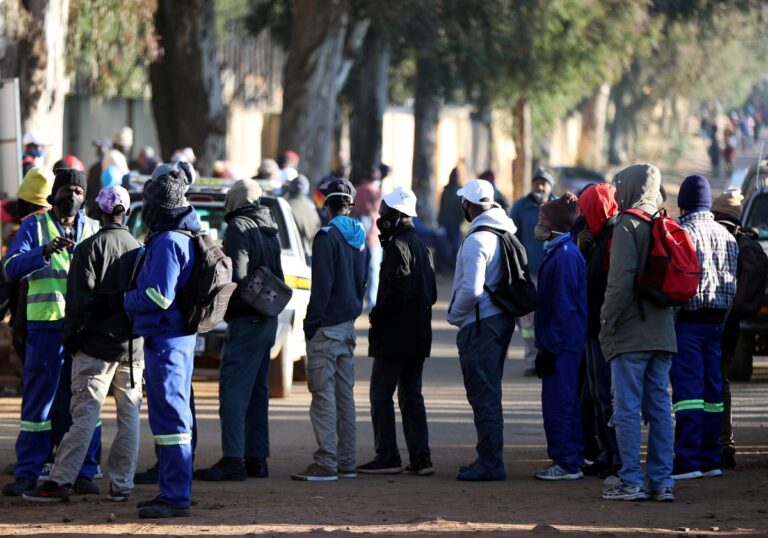
Walk through any African city today and you will feel the weight of a continent at a crossroads. On one side lies a demographic surge unlike any other in history. By 2030, Africa’s youth population will reach over 400 million, with millions more entering the labor market each year. On the other side lies an economy that struggles to absorb them. For decades, formal jobs have been scarce, leading many young people into informal hustles that barely cover survival.

This mismatch has fueled anxiety in policy circles, but it has also created a quiet determination among Africa’s youth. Increasingly, they are looking at the sustainability transition not as an abstract concept about emissions and climate targets, but as a once-in-a-generation opportunity to redefine what meaningful work can look like.

The shift toward renewable energy, circular economies, sustainable agriculture, climate-smart infrastructure, and green finance is not only an environmental imperative. It is also a jobs machine waiting to be fully unlocked. The numbers are impressive. The International Labour Organization (ILO) projects that Africa could generate over 2 million new green jobs by 2030, and some estimates put the figure far higher if enabling conditions are in place. Yet to stop at statistics would be to miss the deeper story. What is unfolding is more than just job creation. It is a reshaping of livelihoods, identity, and Africa’s place in the global economy.

A New Industrial Revolution for Africa

Africa has missed or been marginalized in previous industrial revolutions. The 19th-century industrial boom was built largely on raw materials extracted from Africa without value addition. The mid-20th century’s wave of industrialization, led by manufacturing in Asia, largely bypassed the continent. Now the sustainability transition presents a chance to do things differently.

Unlike coal or heavy manufacturing, green industries align with Africa’s endowments. The continent has 60 percent of the world’s best solar resources, vast tracts of arable land, abundant wind corridors, and critical minerals needed for batteries and clean technologies. More importantly, it has the youngest workforce in the world, hungry for training and eager to work.

This alignment creates a rare historical opening. Africa does not need to replicate the dirty industrial paths of the past. It can leapfrog directly into cleaner, more resilient, and more labor-intensive sectors. If managed wisely, the sustainability transition could become Africa’s equivalent of the “Asian Tigers” moment – but this time grounded in green industries that future-proof the continent against climate risks.

Renewable Energy: Powering Jobs and Communities

Energy sits at the heart of Africa’s development challenge. Over 600 million Africans still live without electricity, while those connected often endure unreliable supply. Expanding energy access is therefore both an economic necessity and a social imperative. The sustainability lens changes the equation. Instead of seeing fossil fuels as the default, renewable energy becomes the centerpiece.

Building solar farms, wind installations, and mini-grids is labor-intensive at the installation stage and opens space for long-term maintenance, operations, and localized manufacturing. Each megawatt of solar installed can create dozens of direct and indirect jobs. But the real transformation lies in how energy unlocks work in other sectors.

Take Hauwa Mohammed, a young entrepreneur in northern Nigeria who now runs a small business assembling solar home systems. Once unemployed, she has trained herself and others to install and service units in rural communities. Each household she powers does not just gain light – it gains extended hours for economic activity, whether in tailoring, phone charging, or food processing.

Across the continent, renewable energy is proving to be a jobs multiplier. In East Africa, solar irrigation pumps are helping farmers increase yields while reducing costs. In South Africa, the growing renewables sector is absorbing workers who once depended on coal mines. Energy jobs are not confined to elite engineers; they include electricians, technicians, marketers, logistics workers, and community mobilizers.

Agriculture: From Subsistence to Climate-Smart Prosperity

Agriculture remains Africa’s largest employer, yet it is also the most vulnerable to climate change. Rising temperatures, erratic rainfall, and degraded soils threaten food security and rural livelihoods. The sustainability transition reframes agriculture not just as subsistence, but as a sector capable of producing climate-smart prosperity.

Climate-smart agriculture practices – such as agroforestry, regenerative farming, precision irrigation, and improved seed varieties – create new categories of work. Extension officers, soil health experts, drone operators, and agritech entrepreneurs are increasingly in demand. Moreover, green value chains in processing and distribution expand opportunities beyond the farm gate.

Consider the case of bamboo agroforestry in Nigeria and Kenya. Once dismissed as a wild grass, bamboo is now being cultivated systematically for use in construction, furniture, textiles, and bioenergy. Farmers are discovering that bamboo not only grows rapidly but also restores degraded land and captures carbon. Entire cooperatives are forming to plant, harvest, and process bamboo, creating thousands of jobs while contributing to global carbon markets.

The agricultural transition is also critical for youth. Instead of fleeing rural areas in search of urban jobs that may not exist, young Africans can find dignified livelihoods in green farming systems that are tech-enabled, profitable, and climate-resilient.

Circular Economies: Turning Waste into Wealth

Walk through Lagos, Nairobi, or Accra and the mountains of plastic waste are impossible to miss. Yet in the logic of a circular economy, that waste is no longer just an environmental hazard. It is raw material waiting to be transformed.

Circular economy models emphasize reuse, repair, recycling, and redesign. They are labor-intensive by nature, requiring people to collect, sort, repurpose, and innovate. Already, startups are mushrooming that convert plastic into paving bricks, textiles, or packaging. Informal waste pickers, long stigmatized, are finding pathways into formal cooperatives and businesses that give them better incomes and dignity.

Circularity also extends beyond plastics. In Ghana, e-waste recycling hubs are training technicians to safely dismantle and refurbish electronic devices. In Rwanda, a ban on single-use plastics has spurred entrepreneurs to produce alternatives from local materials. In South Africa, industrial symbiosis programs link companies so that the waste of one becomes the input of another.

These activities not only create jobs but also reduce environmental damage, improve urban livability, and spark innovation ecosystems. For a continent struggling with unemployment and waste, circularity offers a double dividend.

Carbon Markets and Ecosystem Services

Africa’s forests, savannas, and wetlands are among the most important carbon sinks on the planet. Protecting and enhancing these ecosystems is essential for global climate stability, but it can also be a source of livelihoods through carbon markets and payment for ecosystem services.

Community forestry initiatives in countries like Zambia and Mozambique are showing how villagers can earn income by managing land sustainably and selling carbon credits. While global debates continue about pricing and equity, the potential for job creation is undeniable. Rangers, monitors, verifiers, and local project managers are needed to make such systems credible and effective.

Beyond carbon, ecosystem services such as watershed protection, biodiversity conservation, and soil restoration are emerging as job-rich activities. The African Conservation Development model is gradually shifting from fortress-style conservation toward community-centered models that embed livelihoods into ecological protection. This not only secures natural capital but also builds social stability.

The Training Challenge: Skills for a Green Workforce

Jobs cannot materialize without skills. This is one of Africa’s biggest bottlenecks, but also one of its biggest opportunities. Training centers, vocational schools, and digital platforms are beginning to pivot toward green skills, but scale remains limited.

Initiatives like South Africa’s DARES program, Nigeria’s Renewable Energy Academy, and pan-African collaborations such as the African Renewable Energy Initiative are investing in training technicians, engineers, and entrepreneurs. Yet what is needed is not just technical skills. Equally important are softer capacities: project management, financial literacy, cooperative organization, and community engagement.

The digital revolution can help. Online learning platforms now offer courses on solar installation, climate-smart agriculture, and circular economy entrepreneurship. If combined with practical apprenticeships, these platforms can democratize access to green skills even in remote areas.

Policy, Finance, and Ecosystem Support

None of this will scale without enabling ecosystems. Governments must provide supportive policies, from feed-in tariffs to circular economy regulations. Financial institutions must step up with green financing instruments accessible to small businesses, not just large corporates. Development partners and private investors must be willing to share risks and fund early-stage innovation.

Equally, regional integration through bodies like the African Continental Free Trade Area (AfCFTA) can expand markets for green goods and services. Imagine solar panels produced in Kenya being exported seamlessly to Malawi, or bamboo furniture from Nigeria finding ready markets across West Africa. The more connected Africa becomes, the greater the multiplier effect of its green transition.

The Bigger Picture: Dignity, Identity, and the Future of Work

To frame Africa’s green jobs story only in terms of numbers risks missing its soul. At its core, this transition is about dignity. It is about moving millions of young Africans from survival hustles into work that not only pays but also builds resilience, creativity, and pride.

The jobs being created are not just any jobs. They are jobs that heal rather than harm, that regenerate rather than exploit, that empower rather than exclude. They offer Africa the chance to define the meaning of work in the 21st century on its own terms, rather than importing outdated industrial models.

This is why the sustainability transition is more than a policy buzzword. It is a generational project. If Africa invests wisely, the continent could become the world’s largest pool of green talent — exporting renewable technologies, circular innovations, and climate-smart products to a global economy that is itself shifting toward sustainability.

Conclusion: Seizing the Opportunity

The hype around green jobs in Africa is real, but the potential is even greater. Renewable energy, sustainable agriculture, circular economies, carbon markets, and ecosystem restoration are not abstract concepts. They are emerging industries that can absorb millions of workers, especially the youth.

But potential will not automatically translate into reality. It requires bold policy, sustained investment, massive skills development, and above all, visionary leadership. Africa cannot afford to treat sustainability as a side project. It must be central to its economic and social strategy.

If it succeeds, the continent will not only address unemployment but also redefine prosperity for the 21st century. Africa will show that green growth is not a Western import but an African pathway, rooted in its resources, powered by its people, and aligned with its destiny.

In the end, the story of green jobs in Africa is not just about numbers. It is about whether the continent can seize this moment to turn its demographic boom into a demographic dividend, powered by sustainability. The stakes could not be higher, and the opportunity could not be greater.

Image credit: @Reuters

Nature-Based Solutions in Africa: Ecosystem Restoration, Climate Resilience, and Green Jobs

0

Africa’s landscapes are under pressure. From the Sahel’s advancing deserts to the Congo Basin’s threatened rainforests, the continent faces some of the most urgent environmental challenges in the world. Soil degradation, deforestation, wetlands loss, and biodiversity decline undermine food security, livelihoods, and climate stability. At the same time, Africa’s population is growing rapidly, urbanization is accelerating, and economic opportunities remain insufficient to meet demand.

Amid these intersecting crises, nature-based solutions are emerging as one of Africa’s most powerful strategies for simultaneously addressing climate change, ecosystem degradation, and sustainable employment. By leveraging the continent’s natural systems – forests, mangroves, wetlands, grasslands, and agroecosystems – governments, businesses, and communities can restore degraded landscapes, reduce carbon emissions, improve climate resilience, and create millions of green jobs.

This is not theoretical. Across Africa, programs restoring forests, rehabilitating wetlands, and implementing sustainable agriculture are already generating measurable social, environmental, and economic benefits. These interventions illustrate that investing in nature is not just a conservation agenda; it is a development and economic strategy that aligns climate, livelihoods, and industrial opportunities.

Understanding Nature-Based Solutions

Nature-based solutions (NbS) are defined by the International Union for Conservation of Nature (IUCN) as actions that protect, sustainably manage, and restore natural or modified ecosystems, simultaneously addressing societal challenges while providing human well-being and biodiversity benefits.

In Africa, NbS take multiple forms:

  • Forest restoration and afforestation: Planting and managing trees to restore degraded forests, sequester carbon, and provide timber, non-timber forest products, and ecosystem services.
  • Agroforestry and sustainable agriculture: Integrating trees and shrubs into croplands and pastoral systems to improve soil fertility, reduce erosion, increase yields, and diversify income sources.
  • Wetlands and mangrove rehabilitation: Restoring coastal and inland wetlands to protect shorelines, enhance water quality, provide fishery resources, and absorb carbon.
  • Grassland and rangeland management: Conserving and regenerating grasslands to support livestock, prevent desertification, and maintain biodiversity.

What makes NbS particularly relevant for Africa is their ability to generate multiple benefits simultaneously. Beyond carbon sequestration and biodiversity protection, NbS create employment opportunities, increase agricultural productivity, improve water security, and strengthen communities’ resilience to climate shocks.

The Scale of Opportunity: Jobs and Livelihoods

Africa’s green economy potential extends far beyond energy transition. Nature-based solutions could generate millions of jobs while addressing urgent environmental problems.

The African Development Bank estimates that ecosystem restoration programs across the continent could create 10–15 million direct and indirect jobs by 2030. These include:

  • Forest nurseries and tree planting: Positions for seed collection, nursery management, planting, and maintenance.
  • Agroforestry technicians and extension officers: Professionals providing technical support, soil and water management advice, and monitoring for climate-smart farming practices.
  • Wetland restoration teams: Workers involved in hydrological rehabilitation, sediment management, and biodiversity monitoring.
  • Carbon project developers and verification specialists: Professionals designing, monitoring, and certifying carbon sequestration initiatives under voluntary and compliance markets.

A case study from Senegal illustrates this potential. The country’s “Great Green Wall” initiative, aimed at halting desertification, has mobilized over 20,000 community members in tree planting, soil conservation, and sustainable farming programs since 2022. Participants not only earn income from restoration work but also gain skills that enable them to participate in broader green economy activities.

In Kenya, mangrove restoration programs along the coast employ local communities to plant and maintain mangrove forests, which simultaneously protect fisheries, reduce storm surge risks, and generate carbon credits. A community of 50 workers managing a 150-hectare mangrove restoration site can generate up to $75,000 annually in combined carbon and fisheries income.

Climate Resilience Through NbS

The climate crisis is intensifying across Africa. Heatwaves, droughts, floods, and cyclones are increasingly frequent and destructive. Nature-based solutions help communities adapt by enhancing ecosystem functions that buffer against climate extremes.

  • Flood mitigation: Restored wetlands and riparian buffers reduce the severity of flooding in urban and rural areas. In Nigeria, urban wetlands rehabilitation projects in Lagos are mitigating flood impacts in low-income communities while creating employment in monitoring, maintenance, and ecological design.

  • Soil and water conservation: Agroforestry and reforestation reduce soil erosion, improve water retention, and maintain crop yields during drought periods. In Ethiopia, hillside agroforestry programs have reduced soil loss by 30% and increased household crop productivity by 25%.

  • Coastal protection: Mangroves, coral reefs, and dunes shield communities from storm surges and rising sea levels, while providing fishery and tourism opportunities. In Mozambique, mangrove restoration has decreased coastal flooding damages by an estimated $1.2 million annually while employing over 400 local residents.

Resilient ecosystems reduce dependency on emergency aid, improve food and water security, and protect livelihoods. Nature-based solutions therefore serve as both climate adaptation and economic development strategies.

Carbon Finance and Investment Potential

Nature-based solutions also offer substantial opportunities for climate finance, particularly through carbon markets. Africa’s forests, wetlands, and soils are underrepresented in global carbon trading, yet they have enormous sequestration potential.

For example, the Congo Basin holds nearly 10% of the world’s tropical forest carbon stock. Protecting and restoring these forests could generate hundreds of millions of dollars annually in carbon credit revenue if properly certified and linked to international markets.

Private sector investment is beginning to follow. Companies seeking to offset emissions are increasingly financing reforestation, mangrove restoration, and soil carbon programs across Africa. Development finance institutions, including the African Development Bank and World Bank, are providing blended finance structures that reduce risk for private investors while generating returns for local communities.

Well-designed NbS projects provide a dual benefit: measurable climate mitigation and local economic impact. Carbon finance revenues can be reinvested into local skill development, small business support, and ecosystem maintenance, creating a positive feedback loop.

Skills and Capacity Requirements

Realizing the full potential of nature-based solutions requires a skilled workforce. Beyond unskilled labor, the sector needs trained professionals in ecological monitoring, project design, community engagement, and carbon verification.

Key competencies include:

  • Ecological assessment: Understanding ecosystems, species interactions, and restoration techniques.
  • Project management: Planning, budgeting, and coordinating restoration projects.
  • Carbon accounting and certification: Knowledge of voluntary and compliance carbon markets, MRV (monitoring, reporting, verification) protocols, and sustainability standards.
  • Community engagement: Facilitating local participation, conflict resolution, and co-management of natural resources.

Training programs and vocational schools across Africa are beginning to address these gaps. South Africa’s Green Skills Academy integrates ecosystem restoration, GIS mapping, and carbon finance modules. Nigeria’s National Green Corps program trains young professionals in forest management, agroforestry, and sustainable land-use practices.

Policy Enablers and Institutional Support

Government policy plays a critical role in scaling nature-based solutions. Enabling frameworks include:

  • Land tenure security: Clear land and forest rights encourage local participation and long-term stewardship.
  • Incentive structures: Payment for ecosystem services, tax breaks, and subsidies encourage private sector involvement.
  • Integration into national climate strategies: NbS should be embedded in Nationally Determined Contributions (NDCs), adaptation plans, and rural development strategies.
  • Monitoring and enforcement: Effective environmental regulation ensures that restoration projects deliver promised ecological and social benefits.

Countries like Rwanda, Kenya, and Senegal are leading by example, integrating NbS into national climate strategies and creating dedicated funding streams. Local governments are establishing partnerships with NGOs, private companies, and community cooperatives to implement projects at scale.

Challenges and Mitigation Strategies

While the potential of NbS is immense, implementation faces challenges:

  • Funding gaps: Many restoration projects rely on short-term grants rather than sustainable financing models. Blended finance, carbon revenue, and public-private partnerships are essential to close funding gaps.
  • Technical capacity: Limited expertise in restoration ecology, monitoring, and carbon accounting can hinder project effectiveness. Investment in training and knowledge transfer is essential.
  • Community engagement: Projects that exclude local communities often fail. Co-creation, benefit-sharing, and transparent governance are key to long-term success.
  • Land-use conflicts: Agricultural expansion, mining, and urbanization compete with restoration efforts. Integrated land-use planning and multi-stakeholder negotiation are critical.

Addressing these challenges requires coordinated action among governments, development partners, private sector actors, and civil society.

The Future of Nature-Based Solutions in Africa

Africa’s potential for nature-based solutions is enormous. By 2030, the continent could:

  • Restore tens of millions of hectares of degraded land.
  • Sequester hundreds of millions of tons of carbon annually.
  • Create 10–15 million direct and indirect green jobs.
  • Strengthen climate resilience for millions of vulnerable households.

The coming decade will determine whether Africa can leverage its natural capital to generate sustainable development, climate mitigation, and employment simultaneously. Success will require ambitious policies, targeted investments, skills development, and genuine community engagement.

Nature-based solutions offer a rare convergence: ecological health, climate action, and economic opportunity. For African policymakers, entrepreneurs, and professionals, NbS are not a peripheral climate agenda. They represent the foundation of a sustainable and inclusive green economy.

Africa’s landscapes, communities, and economies stand to gain immensely if the continent acts decisively to scale nature-based solutions. This is a pathway to a future where green jobs, resilient ecosystems, and thriving communities coexist harmoniously.

Explore further insights, training opportunities, and project resources at Greenskillhub.com.

Embracing Sustainability as a Mindset: The Key to Achieving Net Zero 2050

0

As the world grapples with the challenges of climate change, it has become increasingly clear that achieving Net Zero 2050 is not just a lofty goal, but a necessity. The science is clear: if we are to limit global warming to 1.5°C above pre-industrial levels and avoid the most catastrophic consequences of climate change, we must reduce our greenhouse gas emissions to net zero by 2050.

But achieving Net Zero 2050 will require more than just technological innovations or policy changes. It will require a fundamental shift in the way we think, live, and work. It will require a sustainability mindset.

What is a Sustainability Mindset?

A sustainability mindset is a way of thinking that prioritizes the long-term health of the planet and all its inhabitants. It recognizes that economic, social, and environmental well-being are interconnected and that our actions have consequences that ripple far beyond our immediate surroundings.

A sustainability mindset is not just about reducing our carbon footprint or conserving natural resources. It’s about rethinking our values, our priorities, and our relationship with the planet. It’s about recognizing that we are part of a larger ecosystem and that our actions can have a profound impact on the world around us.

Why is a Sustainability Mindset Essential for Achieving Net Zero 2050?

A sustainability mindset is essential for achieving Net Zero 2050 because it drives behavior change. When individuals, organizations, and governments prioritize sustainability, they are more likely to make choices that reduce their environmental impact. They are more likely to invest in clean energy, reduce waste, and promote sustainable land use practices.

A sustainability mindset also fosters innovation. When we prioritize sustainability, we are more likely to develop new technologies, products, and services that are environmentally friendly and socially responsible.

OKRs for Achieving Net Zero 2050

To achieve Net Zero 2050, we need to set clear objectives and key results (OKRs). Here are some potential OKRs:

  • Objective 1: Reduce greenhouse gas emissions to net zero by 2050.
    • Key Results:
      • Reduce carbon emissions from energy production by 50% by 2030.
      • Increase the share of renewable energy in the energy mix to 80% by 2040.
      • Implement carbon capture and storage technologies in all fossil fuel power plants by 2035.
  • Objective 2: Promote sustainable land use practices.
    • Key Results:
      • Reduce deforestation and land degradation by 50% by 2030.
      • Implement sustainable agriculture practices that prioritize soil health and biodiversity.
      • Protect and restore 30% of the world’s forests by 2030.
  • Objective 3: Foster sustainable consumption patterns.
    • Key Results:
      • Reduce waste generation by 50% by 2030.
      • Increase the share of recycled materials in production processes to 50% by 2040.
      • Promote sustainable consumption patterns through education and awareness-raising campaigns.

Benefits of a Sustainability Mindset

Embracing a sustainability mindset has numerous benefits, including:

  • Cost savings: Reducing energy consumption and waste can save individuals and organizations money.
  • Increased competitiveness: Companies that prioritize sustainability are more attractive to customers, investors, and top talent.
  • Improved public health: Reducing air and water pollution can improve public health and well-being.
  • Job creation: The transition to a low-carbon economy can create new job opportunities in industries such as renewable energy and sustainable infrastructure.
  • Enhanced brand reputation: Organizations that prioritize sustainability are seen as responsible and forward-thinking.

Impacting All Sectors and Demographics

Achieving Net Zero 2050 will require a collective effort from all sectors and demographics. Here are some ways that different sectors can contribute:

  • Business: Invest in clean energy, reduce waste, and promote sustainable supply chain practices.
  • Government: Implement policies that support the transition to a low-carbon economy, such as carbon pricing and green infrastructure investments.
  • Civil society: Raise awareness about the importance of sustainability and promote behavior change through education and advocacy.
  • Individuals: Make conscious choices about energy consumption, transportation, and consumption patterns.

Conclusion

Achieving Net Zero 2050 is a daunting task, but it’s not impossible. By embracing a sustainability mindset, we can drive behavior change, foster innovation, and create a better future for all. It’s time for individuals, organizations, and governments to prioritize sustainability and work towards a common goal. Together, we can achieve Net Zero 2050 and create a more sustainable, equitable, and prosperous world for generations to come.

The $25 Billion Skills Gap: How Green Training Programs Are Creating Africa’s Next Generation of Climate Leaders

0

A solar installer in Lagos earns 40% more than traditional electricians, while carbon project managers in Nairobi command salaries comparable to financial analysts. In Cape Town, green hydrogen technicians are among the most sought-after professionals in South Africa.

Yet thousands of green jobs remain unfilled across Africa, while millions of young people seek employment. The issue is not lack of interest – it is a skills gap that is costing the continent billions in unrealized economic potential.

The African Development Bank estimates that achieving universal electricity access alone requires $25 billion annually through 2030, creating 1.8 million direct jobs. Current training programs, however, produce fewer than 50,000 qualified green economy professionals per year across the continent. This mismatch between opportunity and capability is one of Africa’s most urgent economic challenges.

The Premium on Green Skills

Green careers combine meaningful work with superior compensation. Data across Africa shows consistent salary advantages for sustainability-focused positions:
  • In Nigeria, certified solar installers earn ₦180,000–₦280,000 monthly, compared to ₦120,000–₦180,000 for conventional electricians.

  • Environmental compliance officers in Kenya earn 25–35% more than general operations managers as ESG regulations expand.

  • Sustainability consultants in Ghana report project fees 50% higher than traditional business consultants, while green finance analysts in South Africa start 20% above conventional credit analysts.

These premiums reflect a simple dynamic: demand for green skills is surging, while supply remains constrained. Professionals with the right expertise capture tangible economic advantage.

Nigeria’s Solar Academy Model: From Unemployment to Entrepreneurship

The National Solar Energy Federation of Nigeria (NASEFAN) has trained over 3,200 solar technicians since 2022, with 87% employed within six months. Khadijah Abdullahi, a 26-year-old agriculture graduate from Sokoto, spent two years seeking work before joining NASEFAN’s three-month course. Today, she leads a team of eight installers in northern Nigeria, earning ₦320,000 monthly—more than double the average graduate starting salary.

The program’s success lies in employer partnerships. Curricula are designed to match industry needs, and graduates receive job placement assistance alongside technical support. Expansion plans aim to train 10,000 technicians annually by 2026, demonstrating how targeted, industry-aligned training rapidly closes skills gaps while creating sustainable career pathways.

South Africa’s Just Transition: Retraining for Renewable Careers

In Mpumalanga, South Africa, the Green Skills Academy has retrained over 2,400 coal industry workers since 2023, with placement rates exceeding 78%. Thabo Mthembu, a former coal plant worker, transitioned to renewable energy maintenance and now earns 15% more while leading teams across three wind farms.

The academy pairs technical training with career transition support, including financial counseling, job placement, and mentorship. Industry partnerships with Enel Green Power, ENGIE, and others ensure that skills remain relevant as technologies evolve. Plans are underway to replicate this model in other coal-dependent regions, offering a blueprint for industrial transition across Africa.

Kenya’s Carbon Academy: Creating the Next Generation of Climate Professionals

The University of Nairobi’s Institute for Climate Change and Adaptation launched East Africa’s first comprehensive carbon finance program. The 12-month certificate program equips professionals to develop, manage, and verify carbon offset projects.

Sarah Chebet, a 29-year-old graduate, now manages carbon projects covering 15,000 hectares across three counties. Her internship experience was pivotal, allowing her to apply theory to real-world projects. She now earns double her previous NGO salary, highlighting the tangible economic benefits of targeted green skills programs.

Digital Skills Revolution: Structured Online Pathways

Online learning is transforming access to green skills. Platforms such as GreenReady Academy provide Africa-first, modular pathways:

  • Track 0: Free courses introducing climate literacy

  • Track 1: Certified Sustainability Professional (CSP)

  • Track 2: Certified Sustainability Associate (CSA)

  • Track 3: Certified Sustainability Advisor

Learners progress at their own pace, combining online modules with practical exercises. Completion rates exceed 80%, outperforming traditional vocational programs. Industry-aligned credentials ensure graduates meet real-world employment needs. To begin your sustainability journey, visit GreenReady Academy here.

Corporate Partnerships: Connecting Training to Employment

Private sector engagement is critical. Schneider Electric’s African Green Skills Initiative provides technical training, equipment, and job placement across 15 countries, with placement rates exceeding 85%. Graduates often start businesses, generating additional local employment.

Unilever and MTN similarly support green skills development in sustainable agriculture and renewable energy, creating talent pipelines that meet corporate and community needs simultaneously.

Policy Framework: Government’s Role in Scaling Skills

Governments can accelerate progress by aligning policy with workforce development. Rwanda allocates 30% of its Green Fund budget to training, resulting in green jobs representing 8% of formal employment, up from 3% in 2020. Ghana mandates that 20% of public infrastructure projects include skills development components, while Nigeria’s Renewable Energy Master Plan funds technician training programs.

International cooperation amplifies these efforts. The African Union and bilateral partnerships provide funding, technical expertise, and market access for African green skills graduates.

The Economic Multiplier Effect

Green skills development generates ripple effects. States in Nigeria with solar training hubs attract 40% more renewable energy investment. Trained professionals often establish businesses, creating additional jobs in supply chains and support services. Rural communities benefit disproportionately, gaining access to previously limited employment opportunities.

Scaling Success

Africa’s green skills revolution is underway, but its full potential requires coordinated expansion. Digital platforms provide rapid scale, local partnerships ensure practical relevance, and industry engagement aligns training with employment demand. Regional coordination and shared standards amplify impact while facilitating labor mobility.

Countries, companies, and individuals investing in green skills today are positioned to capture the largest share of tomorrow’s green economy opportunities. The programs already underway demonstrate that Africa has the capacity to lead this transformation—but speed and strategic coordination will determine whether the continent realizes its full potential.

Explore structured green skills pathways and professional opportunities at GreenReady Academy and discover how Africa’s next generation of climate leaders is being built.